
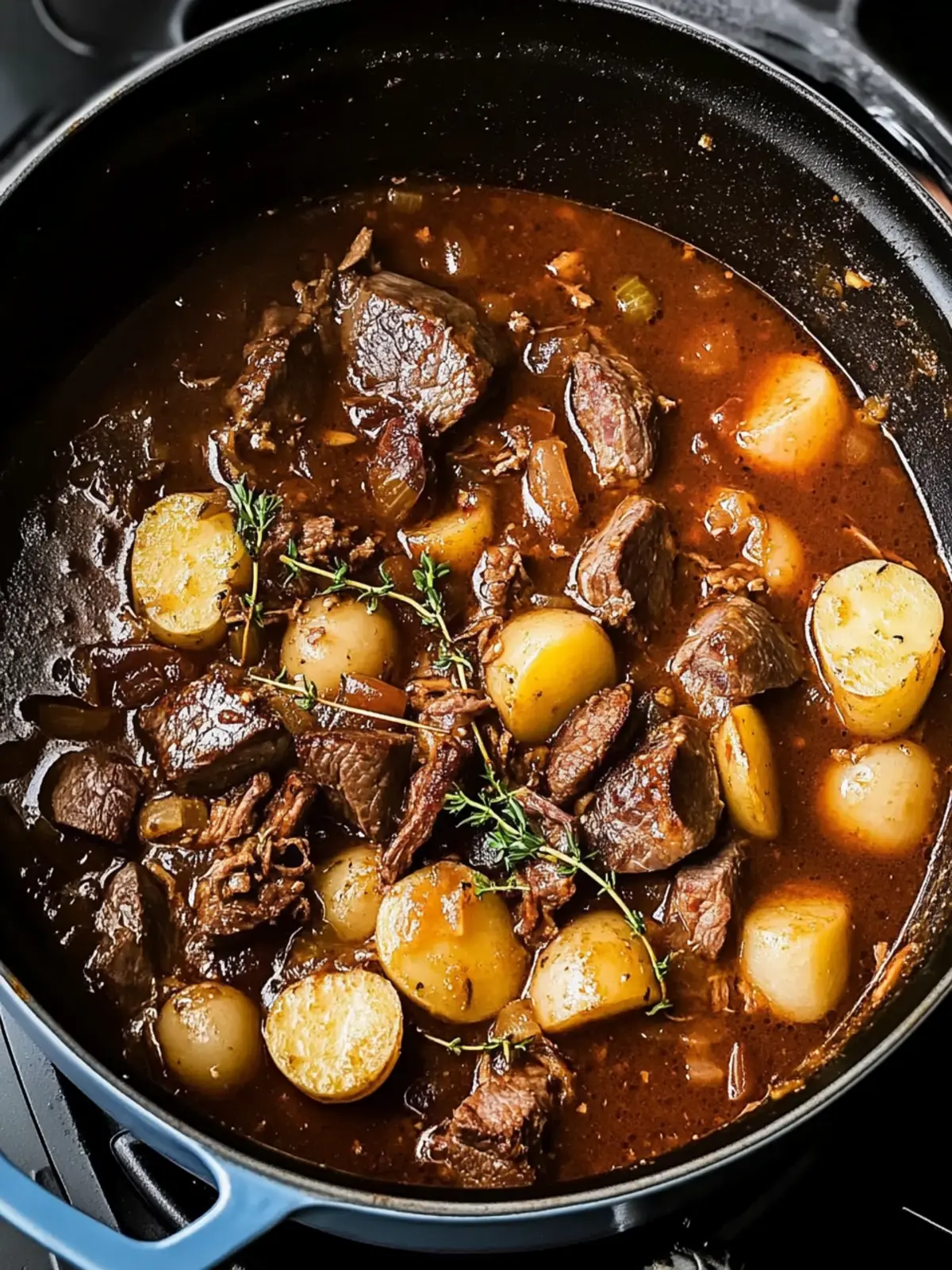
As spring showers begin to fade, I find myself longing for hearty comfort food that still speaks to the freshness of the season. That’s when my beloved spring lamb stew recipe comes into play. The rich aroma of tender lamb simmering with vibrant vegetables fills my kitchen, instantly lifting my spirits. This one-pot wonder isn’t just a meal; it’s an experience—a bowl of warmth that invites family and friends to gather around the table.
With its velvety broth and delightful mix of flavors, this stew captures the essence of comfort while flexibly allowing for ingredient variations based on what you have on hand. Whether you’re trying to impress at a dinner party or simply seeking solace on a chilly evening, this dish does it all—crafted easily in under two hours, it creates effortless magic in your kitchen. Let’s dive in and transform simple ingredients into something extraordinary!
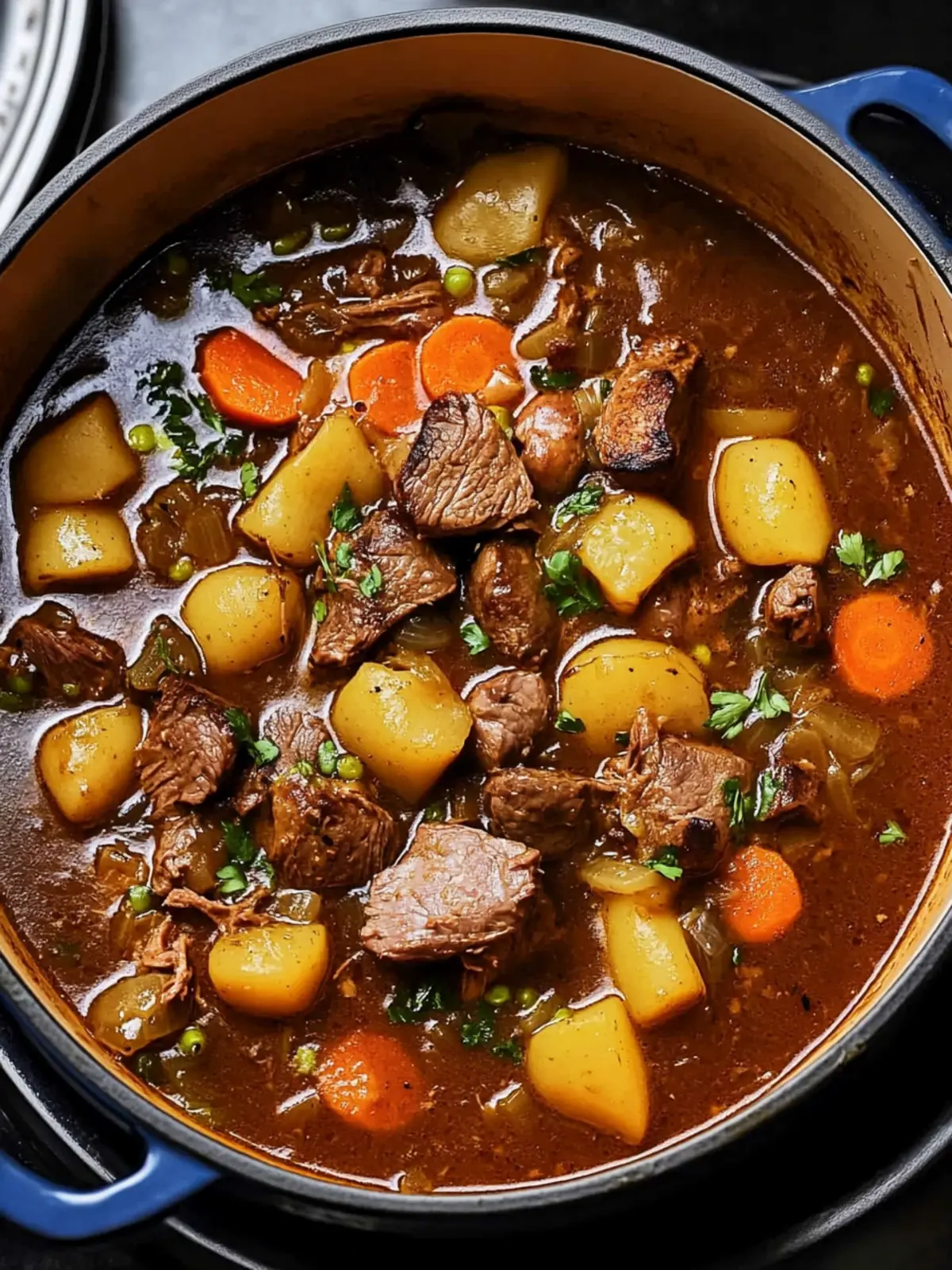
Why is this spring lamb stew recipe special?
Hearty and Flavorful: This spring lamb stew recipe is the quintessential comfort food, brimming with robust flavors to warm your soul.
One-Pot Wonder: Simplifying your cooking process, everything comes together in one pot, making cleanup a breeze.
Fresh Ingredients: It embraces seasonal vegetables, ensuring every bite bursts with freshness.
Versatile Adjustments: Switch in your favorite veggies or proteins to customize each batch to your family’s preferences!
Quick Preparation: In under two hours, you can serve up a nourishing meal that feels slow-cooked.
Inviting Aroma: The delightful scents wafting through your home will have everyone eager to gather at the table.
Spring Lamb Stew Ingredients
• Gather these key ingredients for your delicious spring lamb stew recipe!
For the Stew Base
- Vegetable Oil – Used for searing the lamb; olive oil can offer a fresh twist.
- Lamb Shoulder Roast – The star of the dish, cubed into 1″ pieces; substitute with beef for a different flavor profile.
- Onion – Adds a touch of sweetness; yellow onions are preferred for their mildness.
- Carrots – Bring color and sweetness; feel free to swap with parsnips for a unique flavor.
- Celery – Enhances the savory notes; can be omitted if you need to avoid allergens.
- Kosher Salt – Essential for flavor enhancement; adjust as desired for dietary needs.
- Freshly Ground Black Pepper – Use different pepper varieties to modify heat levels.
- Garlic – Fresh cloves provide aromatic depth, but powdered garlic can work well in a pinch.
- Tomato Paste – Offers richness to the broth; crushed tomatoes can be a tasty alternative.
- Ground Cumin – Infuses warmth and earthiness; try coriander if you want a slightly different taste.
- Smoked Paprika – Adds a pleasant smokiness; regular paprika can be a milder substitute.
- Low-Sodium Beef Broth – The flavorful stew base; chicken or vegetable broth can also be used based on preference.
- Red Wine – Deepens the flavor; for a non-alcoholic version, opt for additional broth instead.
- Worcestershire Sauce – Contributes umami richness; tamari can substitute for a gluten-free option.
For the Herbs and Seasoning
- Fresh Rosemary – Elevates the dish with its aromatic properties; thyme is a great alternative if needed.
- Bay Leaves – Add during cooking for depth of flavor; remember to discard before serving.
For the Heartiness
- Baby Potatoes – Provide texture and substance; regular or sweet potatoes can also work.
- Cornstarch (optional) – Can be used to thicken the stew if desired; swap for gluten-free alternatives if necessary.
- Cold Water (optional) – Mix with cornstarch for thickening.
- Freshly Chopped Parsley (for garnish) – Adds a pop of color and freshness; optional but recommended for presentation.
With this ingredient list, you’re on your way to creating a nourishing spring lamb stew recipe that everyone will love!
How to Make Spring Lamb Stew
Sear the Lamb: Heat a splash of vegetable oil in a large, heavy-bottomed pot over medium-high heat. Add the cubed lamb shoulder, browning it on all sides for about 5-7 minutes until nicely caramelized, then set it aside.
Cook Vegetables: In the same pot, toss in diced onion, carrots, and celery. Season with kosher salt and freshly ground black pepper, sautéing for about 5 minutes until softened and aromatic.
Add Aromatics: Stir in minced garlic, tomato paste, ground cumin, and smoked paprika. Allow these ingredients to cook together for another 2 minutes, making sure the spices become fragrant.
Combine Ingredients: Return the seared lamb to the pot. Pour in the low-sodium beef broth, red wine, and Worcestershire sauce. Toss in fresh rosemary and bay leaves, then bring to a hearty boil. Reduce to a simmer and cook for 30 minutes.
Add Potatoes: Carefully add the halved baby potatoes to the pot, cover, and continue to simmer for an additional 30 minutes, or until the lamb and potatoes are tender and flavorful.
Thickening (if needed): If you prefer a thicker stew, mix cornstarch with cold water to create a slurry and stir it into the simmering stew. Let it boil for a minute or two until it thickens to your liking. Remember to remove bay leaves and rosemary before serving.
Optional: Sprinkle with freshly chopped parsley for a burst of color and freshness.
Exact quantities are listed in the recipe card below.
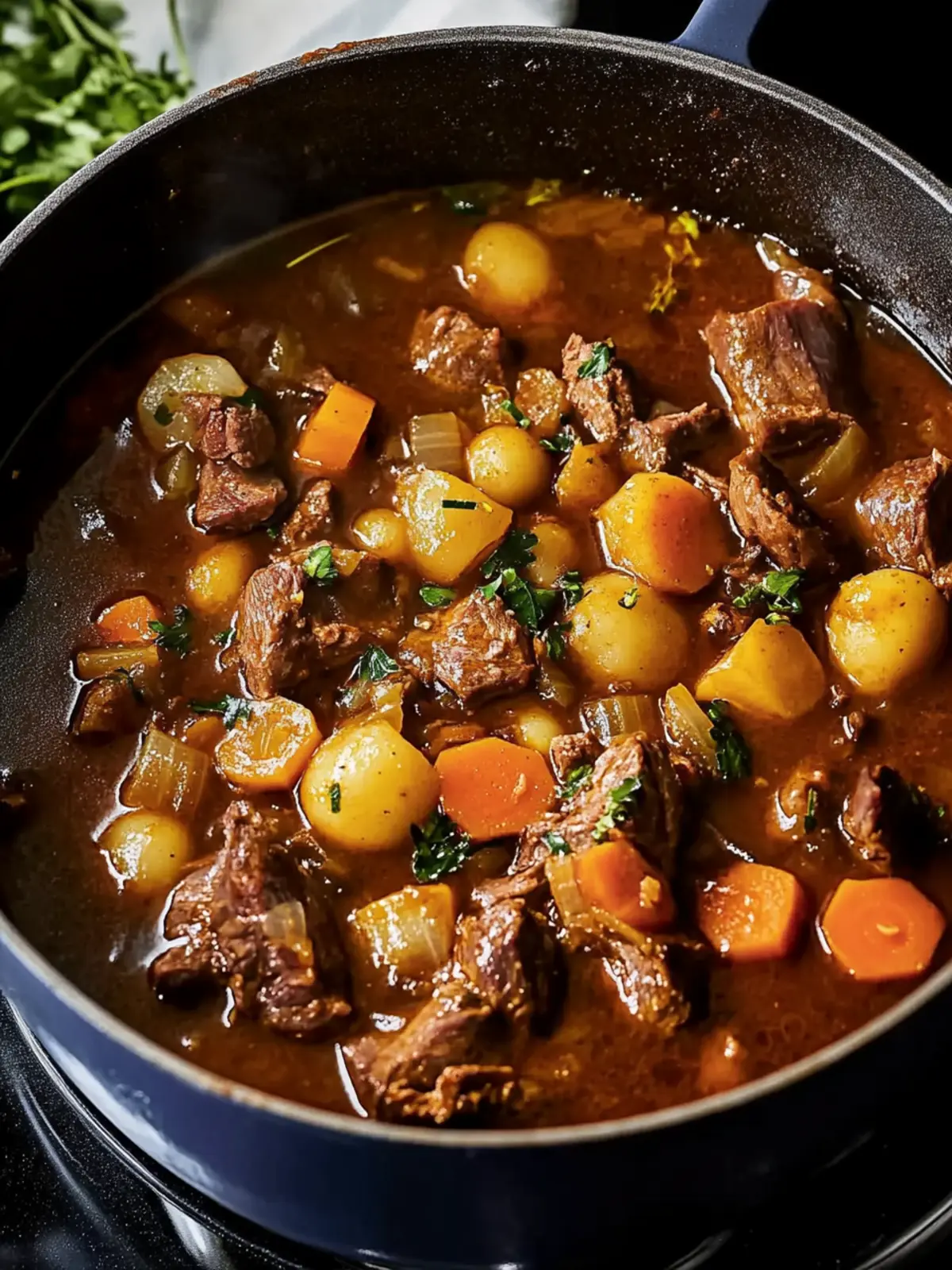
Spring Lamb Stew Variations
Feel free to make this comforting dish your own with delightful tweaks and substitutions!
- Beef Swap: Use cubed beef in place of lamb for a heartier stew with a different flavor profile.
- Vegan Delight: Replace lamb with lentils or mushrooms, and use vegetable broth for an equally comforting plant-based option.
- Herb Infusion: Swap fresh rosemary for thyme or oregano, both offering wonderful aromatic flavors that complement the stew.
- Heat It Up: Add a pinch of red pepper flakes or sliced jalapeños during cooking for a subtle spicy kick that elevates the broth.
- Vegetable Boost: Toss in seasonal veggies like peas, green beans, or bell peppers to enhance both texture and nutrition.
- Creamy Twist: Stir in a splash of heavy cream or coconut milk just before serving for a luxuriously creamy broth that’s incredibly satisfying.
- Smoky Flavor: For even more depth, include a splash of liquid smoke or smoked salt in your seasoning for a delightful twist.
- Citrus Zing: Brighten the dish with a squeeze of fresh lemon or lime juice just before serving, which adds a refreshing balance to the richness.
Embrace the joy of cooking and explore these variations to truly make this spring lamb stew your own!
Make Ahead Options
Preparing this spring lamb stew ahead of time is a fantastic way to save time during busy weeknights! You can chop all your vegetables (onions, carrots, celery) up to 24 hours in advance and store them in an airtight container in the refrigerator to maintain their freshness. Additionally, the lamb can be seared and combined with the aromatics, then refrigerated for up to three days before cooking. When you’re ready to serve, simply add the broth, wine, and seasonings, and let it simmer until everything is perfectly tender. With these make-ahead tips, you’ll enjoy a warm, heartening meal with minimal effort!
Expert Tips for Spring Lamb Stew
Browning Matters: Ensure the lamb is well-browned before stewing; this deepens the flavor and adds richness to your spring lamb stew recipe.
Adjust for Thickness: Use broth wisely; for a thicker stew, reduce the broth amount. A thick stew keeps all those hearty flavors concentrated.
Vegetable Prep: Sauté the vegetables long enough to enhance their natural sweetness, which balances the savory flavors of the stew.
Simmer Time: Allow enough simmering time for the lamb and potatoes to become tender. Rushing this step can lead to tough meat.
Fresh Herbs: Opt for fresh herbs whenever possible, as they bring out the best flavor in your stew. Dried herbs can be used if fresh aren’t available, but the taste may vary slightly.
Storage Tips for Spring Lamb Stew
Fridge: Store your spring lamb stew in an airtight container for up to 4 days. Allow it to cool completely before refrigerating to maintain its flavor and texture.
Freezer: If you’d like to keep the stew longer, it can be frozen for up to 3 months. Use a freezer-safe container, leaving some space for expansion, and reheat gently when ready to enjoy.
Reheating: For optimal tenderness, reheat on the stove over medium heat, stirring occasionally, until heated through. You may wish to add a splash of broth to revive the consistency.
Thawing: When ready to enjoy a batch of your spring lamb stew, thaw it in the refrigerator overnight before reheating for best results.
What to Serve with Comforting One-Pot Lamb Stew?
Savoring a bowl of lamb stew can be even more delightful when paired with complementary sides that enhance the experience of this hearty meal.
- Crusty Bread: Perfect for sopping up the rich, velvety broth, a fresh crusty loaf makes this meal truly satisfying.
- Fluffy Potato Rolls: These soft, pillowy rolls add a comforting touch and are wonderful for soaking up every last drop of the stew.
- Creamy Mashed Potatoes: Offering a smooth, buttery contrast, mashed potatoes create a delightful richness alongside the lamb and vegetables.
- Garlic Green Beans: Fresh green beans sautéed in garlic bring a pop of color and crunch, brightening up your plate with freshness.
- Roasted Root Vegetables: A medley of roasted carrots, parsnips, and beets brings sweetness and a lovely caramelized flavor that complements the stew’s savory notes.
- Simple Side Salad: A green salad with mixed greens, cucumber, and a light vinaigrette can add a refreshing contrast to the warm stew.
- Red Wine: Pairing a glass of robust red wine enhances the stew’s flavors, making every bite a harmonious experience.
- Chocolate Mousse: To finish the meal, a light and airy chocolate mousse offers a sweet, indulgent touch without overwhelming the palate.
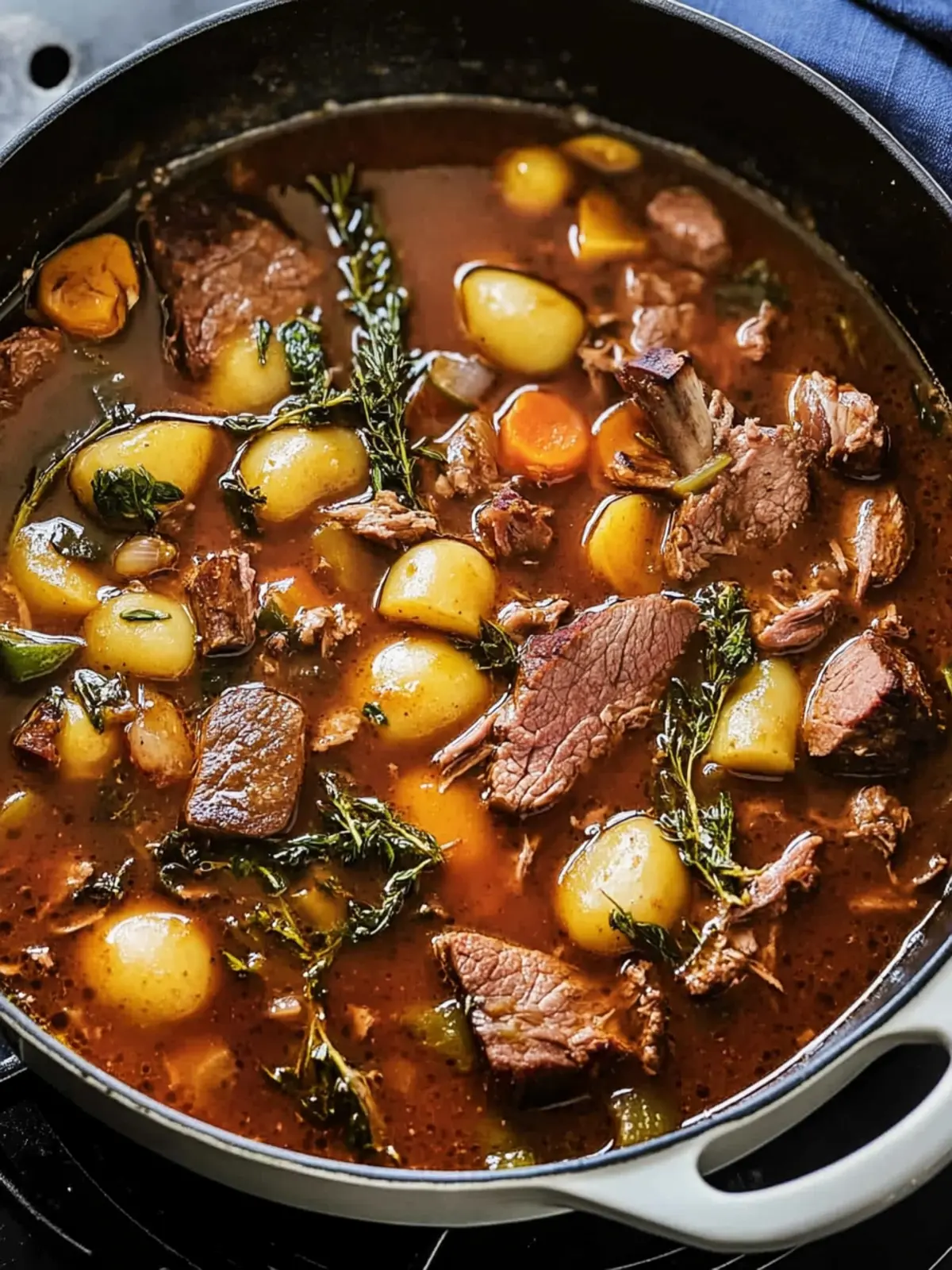
Spring Lamb Stew Recipe FAQs
What type of lamb is best for a spring lamb stew?
Absolutely! I recommend using lamb shoulder roast for its tenderness and flavor. It holds up beautifully during cooking compared to other cuts. You can also substitute with leg of lamb or even beef, but be aware that this may change the overall taste of the stew.
How should I select vegetables for the stew?
When choosing vegetables, opt for fresh, vibrant ones. Look for carrots that are firm, without dark spots, and onions should be dry and free from soft patches. Fresh celery should have a crisp texture. If you’re using baby potatoes, they should be free of blemishes and ideally uniform in size for even cooking.
What is the best way to store leftover lamb stew?
Let your lamb stew cool completely, then transfer it to an airtight container. It can be stored in the fridge for up to 4 days. If you want to keep it longer, freeze it! Allow it to cool, then pour it into freezer-safe containers or bags, making sure to leave some space for expansion. It will stay fresh for up to 3 months.
Can I freeze spring lamb stew?
Yes, you can! To freeze your stew, first cool it down completely. Then, portion it into airtight freezer bags or rigid containers. Make sure to label each with the date you made it for easy tracking. When you’re ready to enjoy, thaw it overnight in the fridge and reheat on the stove over medium heat until heated through.
What should I do if my stew is too thin?
If your stew is thinner than you’d like, don’t fret! You can easily thicken it. Mix 1 tablespoon of cornstarch with 2 tablespoons of cold water to make a slurry. Stir this mixture into the pot and bring it to a boil, stirring constantly until it thickens to your liking. This will create a velvety texture that clings beautifully to the lamb and vegetables.
Can my pet eat lamb stew?
While lamb is generally safe for dogs, avoid giving them stew with onions, garlic, or any other harmful spices and herbs. If you want to share some stew with your furry friend, set aside a plain portion of the lamb and vegetables (without seasoning) for them to enjoy. Always consult your veterinarian if you’re unsure about introducing new foods to your pet’s diet.
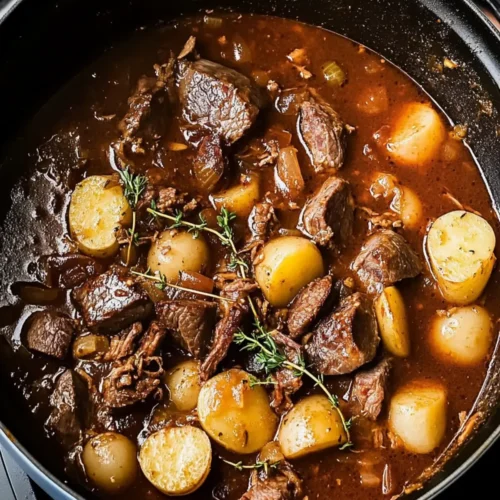
Hearty Spring Lamb Stew Recipe for Cozy Family Dinners
Equipment
- large heavy-bottomed pot
Ingredients
For the Stew
- 2 tablespoons Vegetable Oil Olive oil adds a lovely flavor twist.
- 2 pounds Lamb Shoulder Roast Cubed into 1" pieces.
- 1 medium Onion Yellow onions are highly recommended.
- 3 medium Carrots Feel free to swap in parsnips.
- 2 stalks Celery Can be omitted if allergies or dislikes arise.
- 1 teaspoon Kosher Salt Adjust according to dietary preferences.
- 1 teaspoon Freshly Ground Black Pepper Experiment with different pepper types.
- 3 cloves Garlic Fresh is best, but powdered will do.
- 2 tablespoons Tomato Paste Feel free to use crushed tomatoes as an alternative.
- 1 teaspoon Ground Cumin Coriander can be used as well.
- 1 teaspoon Smoked Paprika Regular paprika is a fine substitute.
- 4 cups Low-Sodium Beef Broth Chicken or vegetable broth keeps it versatile.
- 1 cup Red Wine Replace with more broth for a non-alcoholic version.
- 1 tablespoon Worcestershire Sauce Soy sauce can be used instead.
- 2 tablespoons Fresh Rosemary Thyme can be used as a substitute.
- 2 leaves Bay Leaves Should be removed before serving.
- 1 pound Baby Potatoes Regular or sweet potatoes work well.
- 1 tablespoon Cornstarch Optional for thickening.
- 1 cup Cold Water Optional for thickening with cornstarch.
- 2 tablespoons Freshly Chopped Parsley For garnish, optional.
Instructions
Cooking Instructions
- Heat the vegetable oil in a large, heavy-bottomed pot over medium-high heat. Add the cubed lamb and brown it on all sides, about 5-7 minutes. Set aside the browned lamb.
- In the same pot, add the onion, carrots, and celery. Sauté with a pinch of kosher salt and freshly ground black pepper until softened and fragrant, about 5 minutes.
- Stir in the garlic, tomato paste, ground cumin, and smoked paprika. Cook for another minute until fragrant.
- Return the browned lamb to the pot. Pour in the low-sodium beef broth, red wine, Worcestershire sauce, fresh rosemary, and bay leaves. Bring to a boil, then reduce heat to low and let it simmer for about 30 minutes.
- Stir in the halved baby potatoes. Re-cover the pot and simmer for another 30 minutes, or until the potatoes and lamb are fork-tender.
- If a thicker stew is preferred, mix the cornstarch with cold water to create a slurry, then add it to the pot. Bring to a boil until the stew thickens. Remove bay leaves and any rosemary stems before serving.