
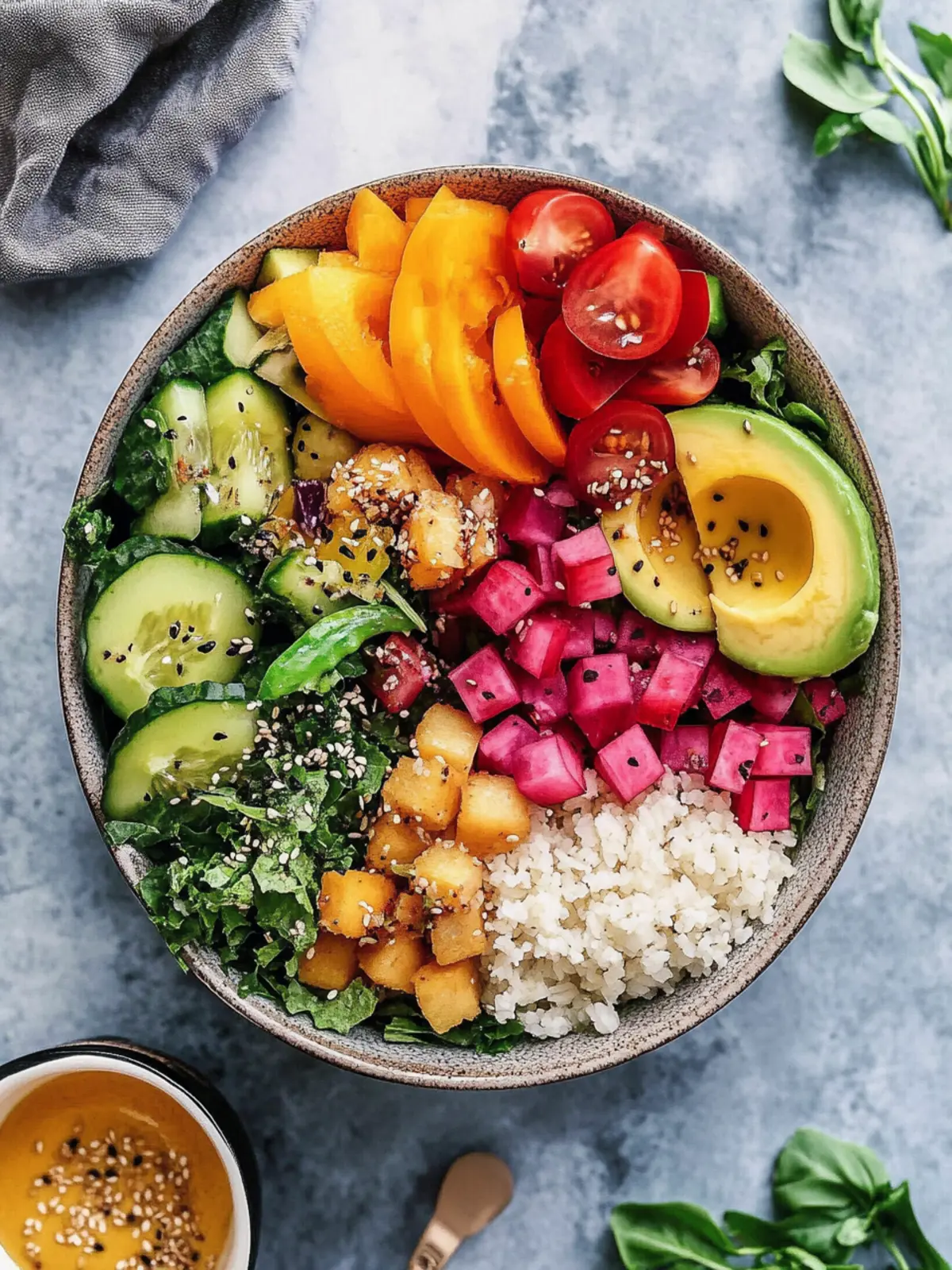
There’s an undeniable comfort in creating something nourishing yet vibrant, and that’s exactly what this Buddha bowl recipe delivers. I was looking for a way to break free from the mundane routines of my meals, and each colorful layer of this dish brings a fresh, satisfying twist that’s both healthy and delightful. When I first crafted this bowl, it was all about using whatever I had in the fridge, and let me tell you, it was a happy accident!
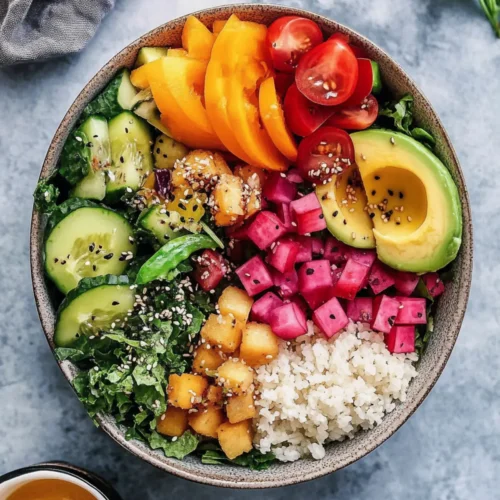
Picture this: roasted sweet potatoes meld perfectly with crispy kale and a medley of colorful veggies, all drizzled with a creamy turmeric tahini sauce that elevates every bite. Not only do these bowls look stunning, but they’re also packed with nutrients, making them an excellent choice for anyone who wants to nourish their body without sacrificing flavor. Whether you’re a busy professional looking for a quick meal or a home chef wanting to impress your family, this Buddha bowl will leave you feeling fulfilled, inspired, and eager to ditch the fast food for good!
Why is this buddha bowl recipe a must-try?
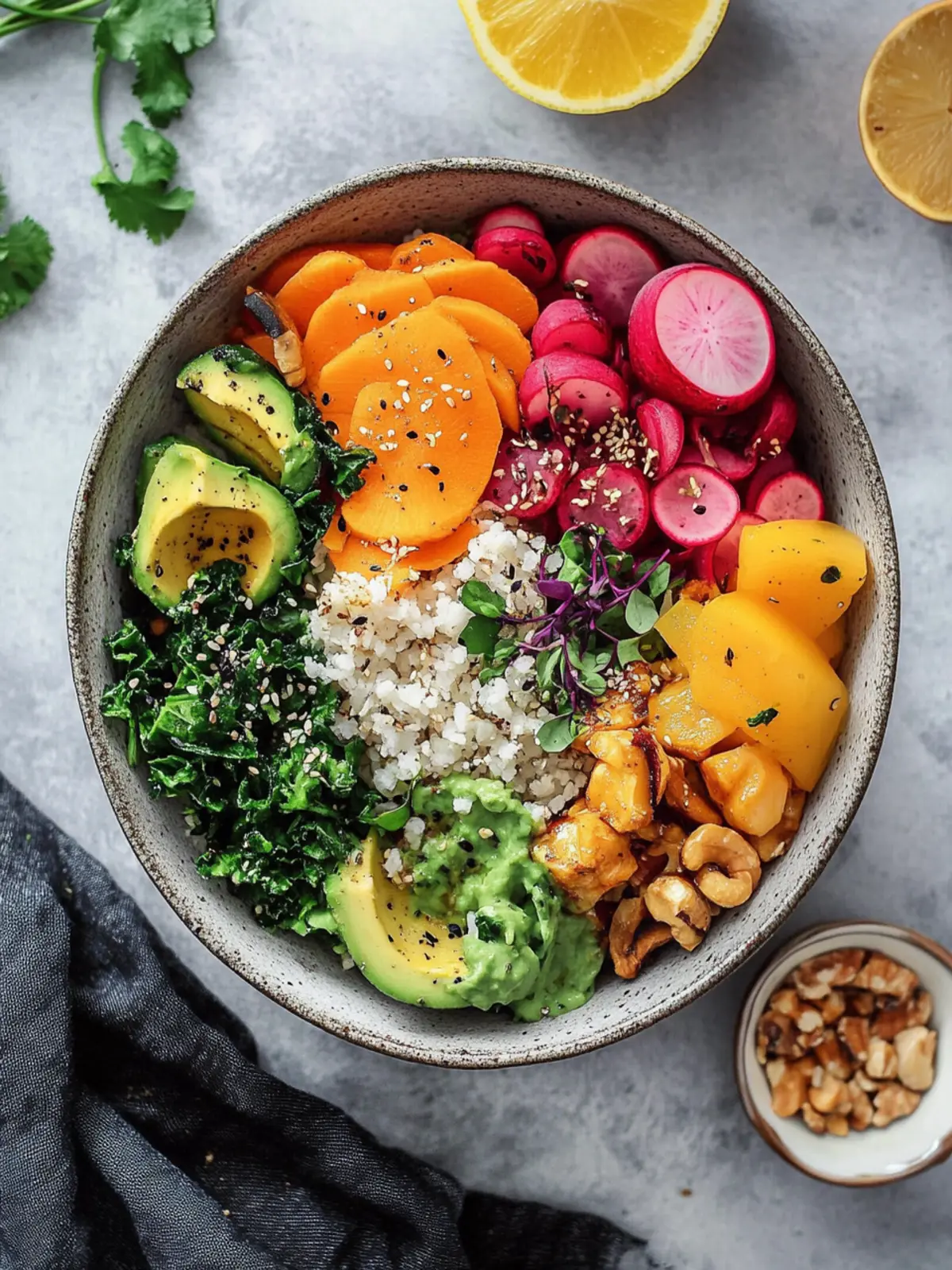
Colorful Layers: This Buddha bowl is a feast for the eyes, showcasing vibrant veggies that brighten your plate and mood.
Quick Preparation: With just 15 minutes of prep and 20 minutes of cooking, you can whip up a nutritious meal in no time.
Nutrient-Packed: Each ingredient is selected for its health benefits, making this a wholesome dish for anyone striving for a balanced diet.
Versatile Meal: Customize your bowl with whatever grains or veggies you have on hand, making it a great way to reduce food waste.
Crowd-Pleasing Flavor: The creamy turmeric tahini sauce ties everything together, ensuring every bite is as delicious as it is heartwarming.
For more amazing healthy options, check out my post on wholesome dinner recipes.
Buddha Bowl Recipe Ingredients
• Gather these fresh ingredients for your buddha bowl recipe to create a delightful meal.
For the Base
- Large sweet potato – adds natural sweetness and a creamy texture when roasted.
- Cooked brown rice or quinoa – provides a hearty base, boosting fiber and protein.
For the Veggies
- Watermelon radish or red radishes – offer a crunchy texture and beautiful color contrast.
- Medium carrots – their natural sweetness enhances the flavor profile of the bowl.
- Shredded red cabbage – adds a pop of color and is packed with antioxidants.
- Kale leaves – rich in vitamins; massaging them makes them tender and delicious.
For the Toppings
- Cooked chickpeas or lentils – these legumes add protein and fiber to keep you satisfied.
- Sauerkraut or other fermented veggie – brings tang and probiotics to support gut health.
- Sesame seeds or hemp seeds – sprinkle on top for crunch and essential fatty acids.
- Microgreens (optional) – these tiny greens pack a flavor punch and are nutrient-rich.
For the Flavor
- Extra-virgin olive oil – crucial for roasting and drizzling, enhancing flavors beautifully.
- Lemon wedge – freshens up the whole dish with a burst of zesty brightness.
- Turmeric Tahini Sauce – the star of the show, this creamy sauce elevates every bite.
- Sea salt and freshly ground black pepper – essentials for seasoning to taste.
How to Make Buddha Bowl
Preheat the oven to 400°F and line a large baking sheet with parchment paper. This will ensure the sweet potatoes roast evenly and make for easy cleanup.
Prepare the sweet potatoes by tossing them with extra-virgin olive oil, salt, and pepper. Spread the cubes on the baking sheet and roast for about 20 minutes, or until they are golden brown and tender.
Slice the watermelon radish or red radishes into thin rounds and peel the medium carrots into ribbons using a vegetable peeler. This adds lovely textures and colors to your bowl.
Mix the radish slices, carrots, and shredded cabbage in a bowl. Squeeze a lemon wedge over the mixture to brighten the flavors, then set it aside while the sweet potatoes finish roasting.
Massage the kale leaves in a large bowl with a squeeze of lemon juice and a pinch of salt. This process softens the kale, making it more palatable and flavorful.
Assemble your Buddha bowl by layering the cooked brown rice or quinoa at the base. On top, add the roasted sweet potatoes, kale, carrot ribbons, radish slices, shredded cabbage, chickpeas or lentils, and a scoop of sauerkraut. Finish with a sprinkle of sesame seeds and some optional microgreens for garnish.
Serve with a drizzle of the creamy turmeric tahini sauce and season with sea salt and freshly ground black pepper to taste.
Optional: Add a sprinkle of chili flakes for an extra kick!
Exact quantities are listed in the recipe card below.
Expert Tips for Buddha Bowl Recipe
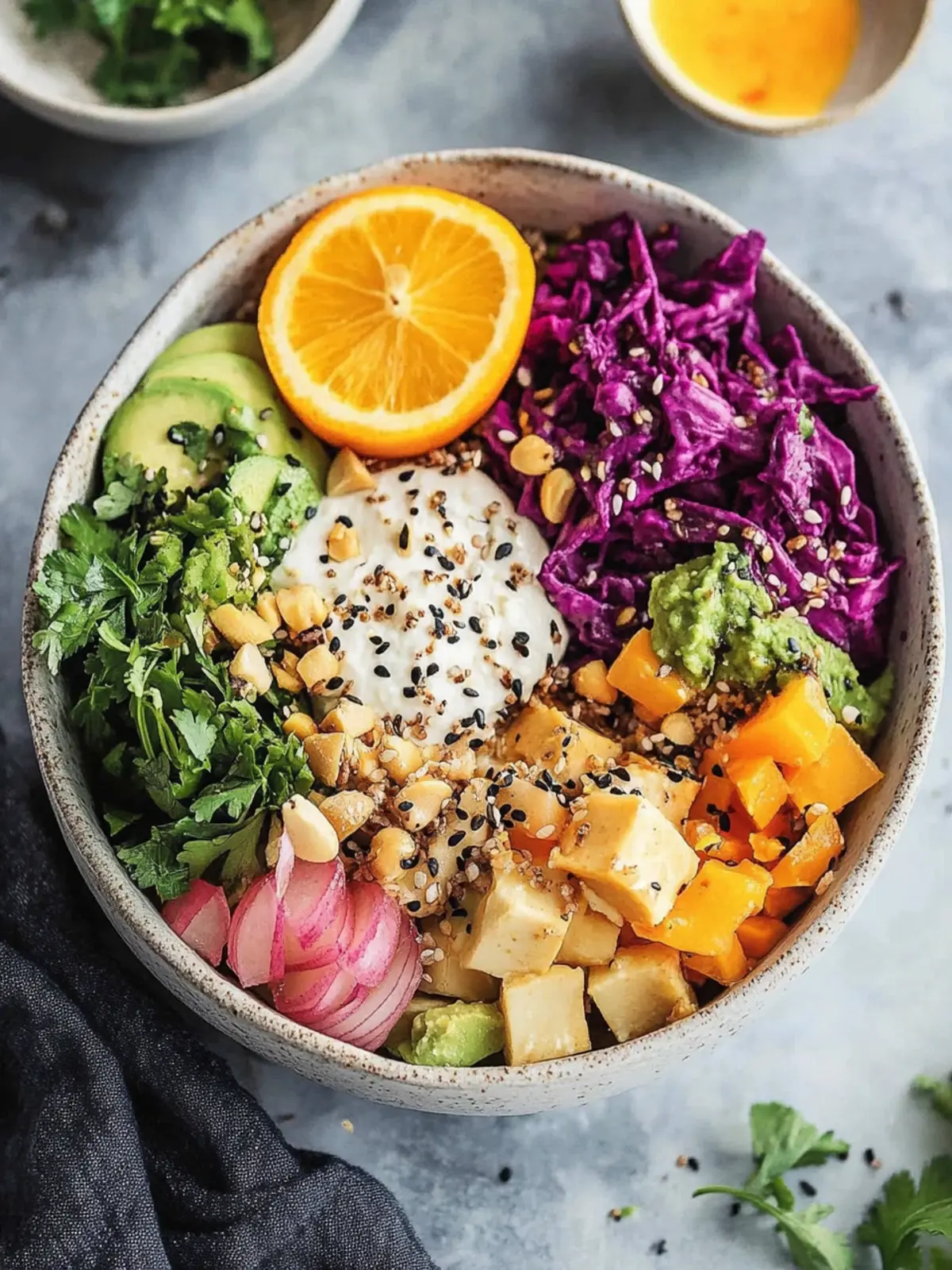
- Roasting Perfection: Ensure even cooking by cutting sweet potatoes into uniform cubes. This avoids some pieces being overcooked while others remain hard.
- Kale Massaging: Don’t skip the massaging step for kale. It transforms the leaves, making them tender and flavorful, rather than tough and rubbery.
- Customize Ingredients: Feel free to swap out grains like quinoa for farro or use different veggies based on what’s in season. This makes your Buddha bowl recipe versatile and fun!
- Squeeze of Lemon: Adding lemon juice brightens the flavors of the veggies and prevents browning, especially for your avocado or any fresh ingredients you might include.
- Sauce Storage: Prepare extra turmeric tahini sauce and store it in the fridge for up to a week. It’s a great addition to salads and wraps too!
Buddha Bowl Variations
Feel free to let your creativity shine by customizing your Buddha bowl with these delightful twists and substitutions!
Gluten-Free: Swap quinoa for rice noodles for a delicious gluten-free base that still packs a punch. Perfect for those sensitive to gluten!
Extra Protein: Add grilled chicken or sautéed shrimp for a hearty option that elevates your meal, keeping you satisfied for longer.
Vegan Delight: Substitute chickpeas with marinated tofu for added texture and a protein boost that aligns with plant-based diets.
Spicy Twist: Toss in some jalapeños or drizzle with sriracha for a zing of heat that elevates the flavors and gets your taste buds dancing.
Nutty Flavor: Use almond butter or peanut sauce in place of the turmeric tahini for a different taste profile that remains creamy and delightful.
Seasonal Veggies: Incorporate seasonal vegetables like butternut squash in fall, or cherry tomatoes in summer for freshness and to celebrate local produce.
Fresh Herbs: Experiment with basil, cilantro, or parsley for a fragrant touch that brightens up the whole bowl and adds a burst of freshness.
Pickled Veggies: Swap sauerkraut for pickled onions or carrots to introduce a tangy crunch that complements the dish beautifully and enhances the overall flavor!
What to Serve with Buddha Bowl?
Build the perfect meal around your vibrant Buddha bowl with these delightful pairings.
- Crispy Baked Tofu: Adds a wonderful texture and protein boost, pairing beautifully with the creamy tahini sauce.
- Cucumber Salad: A refreshing crunch that complements the heartiness of the bowl, making every bite feel light and bright.
For a touch of warmth, consider adding a side of roasted vegetables, like carrots and bell peppers, creating a cohesive theme of earthy flavors.
- Spicy Quinoa Patties: These savory bites enhance the warmth of the bowl while introducing a delightful kick that keeps things exciting.
- Chickpea Salad: This zesty salad adds a punch of flavor and is rich in protein, which perfectly balances the sweetness of the roasted sweet potatoes.
To elevate your dining experience, don’t forget to pour a glass of chilled white wine or serve with a refreshing sparkling water, adding a zing of brightness to complement the richness of the dish.
Make Ahead Options
These Buddha bowls are an excellent choice for meal prep, saving you precious time on busy weeknights! You can chop and roast the sweet potatoes up to 24 hours in advance, allowing them to cool and refrigerating them in an airtight container. The radishes, carrots, and red cabbage can also be sliced and mixed with lemon juice beforehand; just store them in the fridge for up to 3 days. When you’re ready to serve, simply reheat the sweet potatoes and assemble your Buddha bowl by layering the grains, veggies, chickpeas, and toppings. Finish with the turmeric tahini sauce for a meal that’s just as fresh and delicious as when you made it!
How to Store and Freeze Buddha Bowl
Fridge: Store any leftover Buddha bowl ingredients in an airtight container in the fridge for up to 3 days. Keep the sauce separate to maintain freshness.
Freezer: For longer storage, you can freeze the cooked sweet potatoes and chickpeas or lentils in freezer-safe bags for up to 3 months.
Reheating: To enjoy your Buddha bowl again, thaw the frozen ingredients overnight in the fridge and reheat them in the microwave or on the stovetop until heated through.
Meal Prep: Prepare the components in advance and store separately in the fridge to assemble fresh Buddha bowls throughout the week!
Buddha Bowl Recipe FAQs
What type of sweet potato should I use for the Buddha bowl?
Absolutely! I recommend using a large orange-fleshed sweet potato, as they are naturally sweet and creamy when roasted. Look for sweet potatoes that are firm with no dark spots or blemishes.
How should I store leftover Buddha bowl ingredients?
Store any leftover components in an airtight container in the fridge for up to 3 days. Make sure to keep the Turmeric Tahini Sauce separate to maintain its luscious texture and freshness!
Can I freeze the ingredients for my Buddha bowl?
Yes! You can freeze the roasted sweet potatoes and cooked chickpeas or lentils. Place them in freezer-safe bags, removing as much air as possible, and they will last up to 3 months. To reheat, simply thaw overnight in the fridge and warm them in the microwave or on the stovetop.
What if my kale leaves are tough? How can I fix that?
No worries! If your kale is tough, it’s perfect for massaging. Simply place the leaves in a bowl, drizzle with a squeeze of lemon juice and a pinch of salt, and use your hands to massage them for about 2-3 minutes. This process breaks down the fibers, making the kale much more tender and enjoyable!
Are there any dietary considerations for this Buddha bowl recipe?
Very! This recipe is vegetarian and can easily be made vegan by ensuring your tahini sauce doesn’t include honey. For gluten-free options, swap brown rice or quinoa with gluten-free grains like millet. Just make sure to check for allergies with any ingredients you use, especially with nuts or seeds if you’re serving pets or guests.
Can I customize the ingredients in my Buddha bowl?
Of course! The more the merrier! This Buddha bowl recipe is incredibly versatile. You can use different grains like farro or barley, and add any seasonal vegetables you prefer. This is a great way to clean out your fridge and reduce waste while keeping meals exciting!
Delicious Buddha Bowl Recipe: Fresh, Flavorful & Easy to Make
Equipment
- - Oven
- - Baking sheet
- - Cutting board
- - Knife
- - Mixing bowl
- - Vegetable peeler
Ingredients
For the Base
- 1 large sweet potato adds natural sweetness and creamy texture when roasted
- 1 cup cooked brown rice or quinoa provides a hearty base, boosting fiber and protein
For the Veggies
- 1 cup watermelon radish or red radishes offers a crunchy texture and beautiful color contrast
- 2 medium carrots natural sweetness enhances the flavor profile
- 1 cup shredded red cabbage adds color and is packed with antioxidants
- 2 cups kale leaves rich in vitamins; massaging them makes them tender
For the Toppings
- 1 cup cooked chickpeas or lentils adds protein and fiber
- 1/2 cup sauerkraut brings tang and probiotics to support gut health
- 2 tablespoons sesame seeds or hemp seeds for crunch and essential fatty acids
- 1/4 cup microgreens optional, packs flavor and nutrients
For the Flavor
- 2 tablespoons extra-virgin olive oil for roasting and drizzling
- 1 wedge lemon freshens up the dish
- 1 cup turmeric tahini sauce star of the dish, elevates every bite
- to taste sea salt for seasoning
- to taste freshly ground black pepper for seasoning
Instructions
How to Make Buddha Bowl
- Preheat the oven to 400°F and line a large baking sheet with parchment paper.
- Prepare the sweet potatoes by tossing them with olive oil, salt, and pepper. Spread the cubes on the baking sheet and roast for about 20 minutes.
- Slice the watermelon radish or red radishes into thin rounds, and peel the carrots into ribbons.
- Mix the radish slices, carrots, and shredded cabbage in a bowl. Squeeze a lemon wedge over the mixture.
- Massage the kale leaves in a large bowl with a squeeze of lemon juice and a pinch of salt.
- Assemble your Buddha bowl by layering the cooked rice or quinoa at the base, followed by the roasted sweet potatoes, kale, carrot ribbons, radish slices, cabbage, chickpeas or lentils, and sauerkraut.
- Finish with a sprinkle of sesame seeds and optional microgreens.
- Serve with a drizzle of the turmeric tahini sauce and season with sea salt and black pepper.