
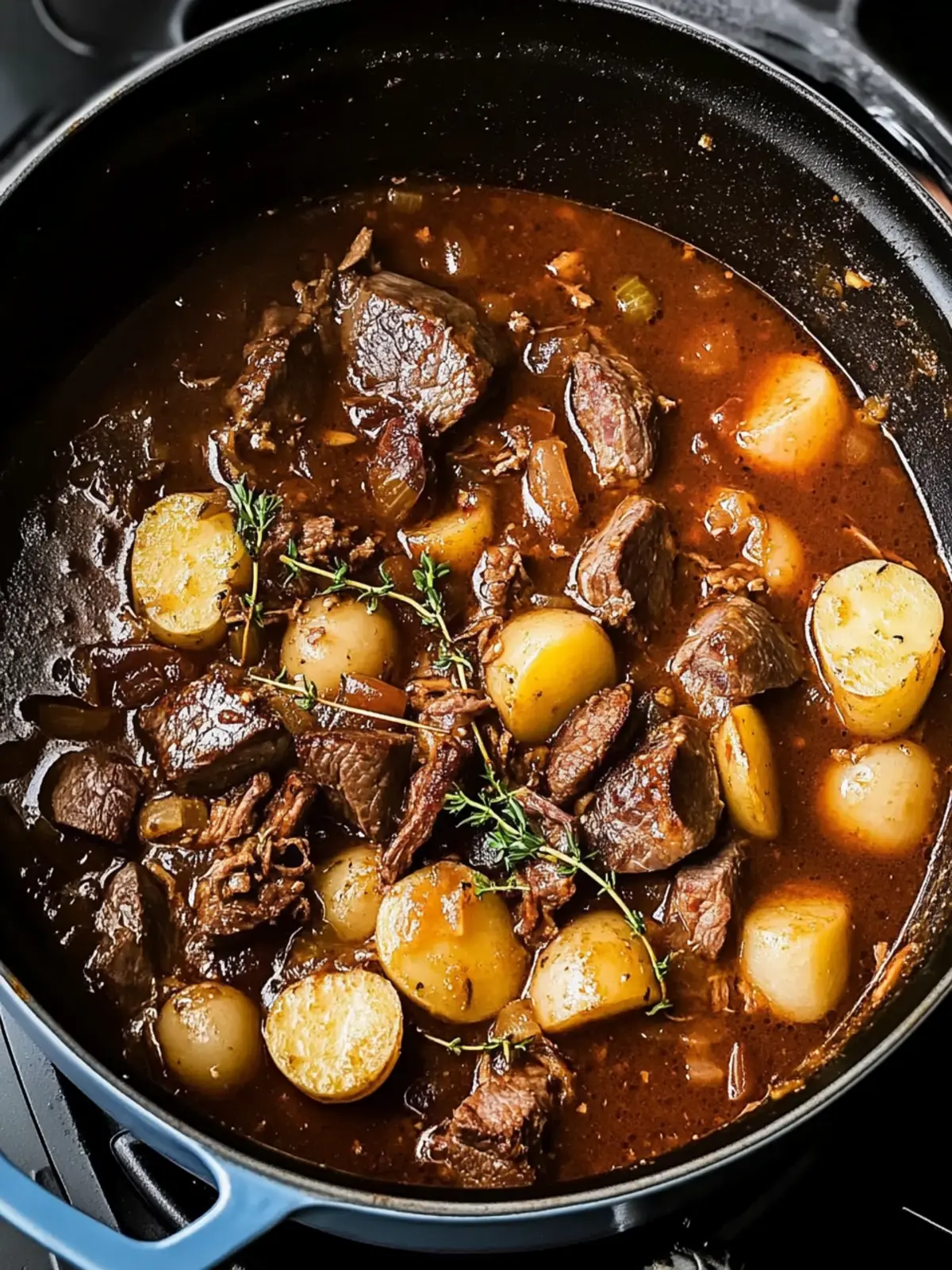
As spring showers begin to fade, I find myself longing for hearty comfort food that still speaks to the freshness of the season. That’s when my beloved spring lamb stew recipe comes into play. The rich aroma of tender lamb simmering with vibrant vegetables fills my kitchen, instantly lifting my spirits. This one-pot wonder isn’t just a meal; it’s an experience—a bowl of warmth that invites family and friends to gather around the table.
With its velvety broth and delightful mix of flavors, this stew captures the essence of comfort while flexibly allowing for ingredient variations based on what you have on hand. Whether you’re trying to impress at a dinner party or simply seeking solace on a chilly evening, this dish does it all—crafted easily in under two hours, it creates effortless magic in your kitchen. Let’s dive in and transform simple ingredients into something extraordinary!
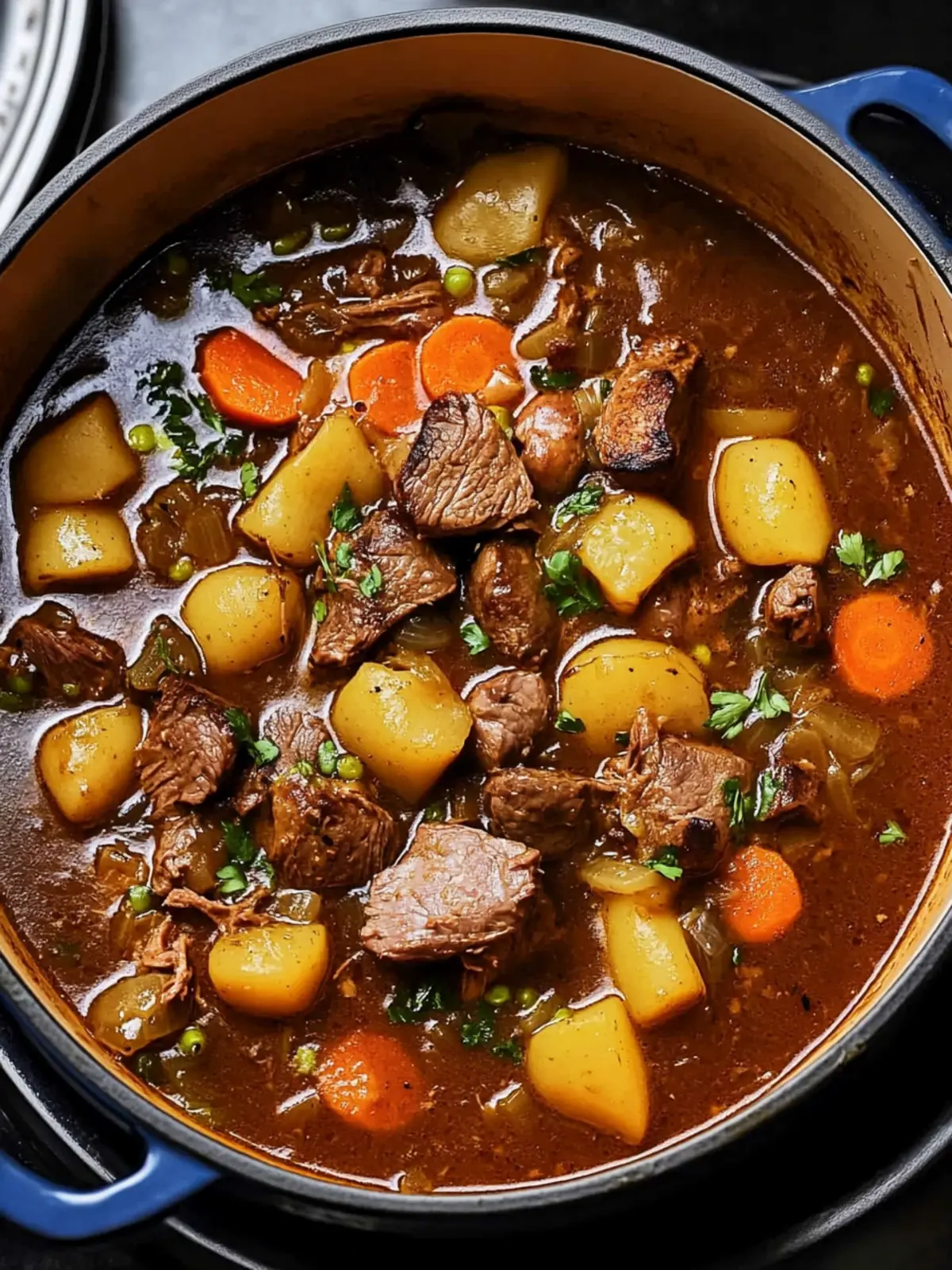
Why is this spring lamb stew recipe special?
Hearty and Flavorful: This spring lamb stew recipe is the quintessential comfort food, brimming with robust flavors to warm your soul.
One-Pot Wonder: Simplifying your cooking process, everything comes together in one pot, making cleanup a breeze.
Fresh Ingredients: It embraces seasonal vegetables, ensuring every bite bursts with freshness.
Versatile Adjustments: Switch in your favorite veggies or proteins to customize each batch to your family’s preferences!
Quick Preparation: In under two hours, you can serve up a nourishing meal that feels slow-cooked.
Inviting Aroma: The delightful scents wafting through your home will have everyone eager to gather at the table.
Spring Lamb Stew Ingredients
• Gather these key ingredients for your delicious spring lamb stew recipe!
For the Stew Base
- Vegetable Oil – Used for searing the lamb; olive oil can offer a fresh twist.
- Lamb Shoulder Roast – The star of the dish, cubed into 1″ pieces; substitute with beef for a different flavor profile.
- Onion – Adds a touch of sweetness; yellow onions are preferred for their mildness.
- Carrots – Bring color and sweetness; feel free to swap with parsnips for a unique flavor.
- Celery – Enhances the savory notes; can be omitted if you need to avoid allergens.
- Kosher Salt – Essential for flavor enhancement; adjust as desired for dietary needs.
- Freshly Ground Black Pepper – Use different pepper varieties to modify heat levels.
- Garlic – Fresh cloves provide aromatic depth, but powdered garlic can work well in a pinch.
- Tomato Paste – Offers richness to the broth; crushed tomatoes can be a tasty alternative.
- Ground Cumin – Infuses warmth and earthiness; try coriander if you want a slightly different taste.
- Smoked Paprika – Adds a pleasant smokiness; regular paprika can be a milder substitute.
- Low-Sodium Beef Broth – The flavorful stew base; chicken or vegetable broth can also be used based on preference.
- Red Wine – Deepens the flavor; for a non-alcoholic version, opt for additional broth instead.
- Worcestershire Sauce – Contributes umami richness; tamari can substitute for a gluten-free option.
For the Herbs and Seasoning
- Fresh Rosemary – Elevates the dish with its aromatic properties; thyme is a great alternative if needed.
- Bay Leaves – Add during cooking for depth of flavor; remember to discard before serving.
For the Heartiness
- Baby Potatoes – Provide texture and substance; regular or sweet potatoes can also work.
- Cornstarch (optional) – Can be used to thicken the stew if desired; swap for gluten-free alternatives if necessary.
- Cold Water (optional) – Mix with cornstarch for thickening.
- Freshly Chopped Parsley (for garnish) – Adds a pop of color and freshness; optional but recommended for presentation.
With this ingredient list, you’re on your way to creating a nourishing spring lamb stew recipe that everyone will love!
How to Make Spring Lamb Stew
Sear the Lamb: Heat a splash of vegetable oil in a large, heavy-bottomed pot over medium-high heat. Add the cubed lamb shoulder, browning it on all sides for about 5-7 minutes until nicely caramelized, then set it aside.
Cook Vegetables: In the same pot, toss in diced onion, carrots, and celery. Season with kosher salt and freshly ground black pepper, sautéing for about 5 minutes until softened and aromatic.
Add Aromatics: Stir in minced garlic, tomato paste, ground cumin, and smoked paprika. Allow these ingredients to cook together for another 2 minutes, making sure the spices become fragrant.
Combine Ingredients: Return the seared lamb to the pot. Pour in the low-sodium beef broth, red wine, and Worcestershire sauce. Toss in fresh rosemary and bay leaves, then bring to a hearty boil. Reduce to a simmer and cook for 30 minutes.
Add Potatoes: Carefully add the halved baby potatoes to the pot, cover, and continue to simmer for an additional 30 minutes, or until the lamb and potatoes are tender and flavorful.
Thickening (if needed): If you prefer a thicker stew, mix cornstarch with cold water to create a slurry and stir it into the simmering stew. Let it boil for a minute or two until it thickens to your liking. Remember to remove bay leaves and rosemary before serving.
Optional: Sprinkle with freshly chopped parsley for a burst of color and freshness.
Exact quantities are listed in the recipe card below.
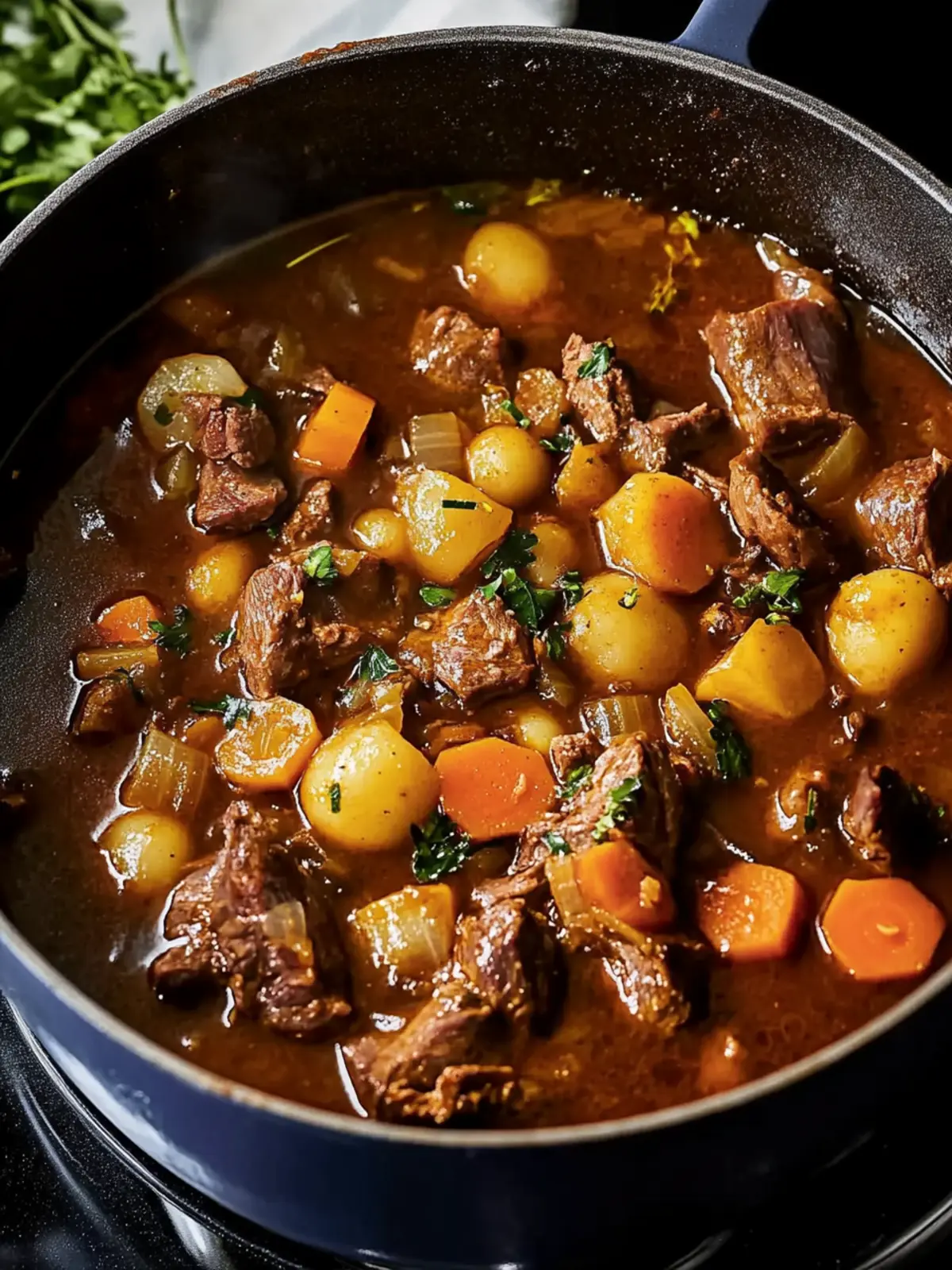
Storage Tips for Spring Lamb Stew
Fridge: Store your spring lamb stew in an airtight container for up to 4 days. Allow it to cool completely before refrigerating to maintain its flavor and texture.
Freezer: If you’d like to keep the stew longer, it can be frozen for up to 3 months. Use a freezer-safe container, leaving some space for expansion, and reheat gently when ready to enjoy.
Reheating: For optimal tenderness, reheat on the stove over medium heat, stirring occasionally, until heated through. You may wish to add a splash of broth to revive the consistency.
Thawing: When ready to enjoy a batch of your spring lamb stew, thaw it in the refrigerator overnight before reheating for best results.
Make Ahead Options
These spring lamb stew preparations are perfect for busy home cooks looking to save time during the week! You can chop your vegetables (onions, carrots, and celery) and cube the lamb shoulder up to 24 hours in advance, refrigerating them in separate airtight containers to maintain freshness. Additionally, you can prepare a full batch of the stew and store it in the fridge for up to 3 days—just reheat gently on the stove. If you prefer freezing, the stew can be frozen for up to 3 months; let it cool completely before transferring it to a freezer-safe container. To finish, simply reheat the stew on the stove and add a splash of broth if necessary to bring back its velvety consistency before serving. Your lamb stew will taste just as delicious as the day it was made, making meal prep a breeze!
Spring Lamb Stew Variations
Feel free to personalize your spring lamb stew recipe with these delightful adjustments that cater to your taste buds!
- Dairy-Free: Swap any butter or cream (if using) for coconut milk or nut milk for a creamy touch without the dairy.
- Beef Option: Replace lamb with chuck roast for a heartier, flavorful beef stew that still comforts like a classic.
- Heat It Up: Add diced jalapeños or a pinch of cayenne pepper to give your stew a spicy kick that warms from the inside out.
- Vegetable Boost: Toss in seasonal veggies like asparagus or zucchini for added nutrition and a pop of color.
- Herb Substitutions: Fresh basil or parsley can replace rosemary for a refreshing twist that brightens the dish.
- Gluten-Free: Ensure your broth and sauces are gluten-free or opt for tamari, keeping ingredients in harmony for those with dietary restrictions.
- Flavorful Kick: Add a splash of balsamic vinegar or a spoonful of Dijon mustard toward the end for an unexpected but delightful tang.
- Sweet & Savory: Toss in a handful of dried apricots or raisins for a subtle sweetness that complements the savory broth wonderfully.
With these variations, you can create a spring lamb stew recipe that’s uniquely your own on every occasion!
Expert Tips for Spring Lamb Stew
Browning Matters: Ensure the lamb is well-browned before stewing; this deepens the flavor and adds richness to your spring lamb stew recipe.
Adjust for Thickness: Use broth wisely; for a thicker stew, reduce the broth amount. A thick stew keeps all those hearty flavors concentrated.
Vegetable Prep: Sauté the vegetables long enough to enhance their natural sweetness, which balances the savory flavors of the stew.
Simmer Time: Allow enough simmering time for the lamb and potatoes to become tender. Rushing this step can lead to tough meat.
Fresh Herbs: Opt for fresh herbs whenever possible, as they bring out the best flavor in your stew. Dried herbs can be used if fresh aren’t available, but the taste may vary slightly.
What to Serve with Comforting One-Pot Lamb Stew?
Savoring a bowl of lamb stew can be even more delightful when paired with complementary sides that enhance the experience of this hearty meal.
- Crusty Bread: Perfect for sopping up the rich, velvety broth, a fresh crusty loaf makes this meal truly satisfying.
- Fluffy Potato Rolls: These soft, pillowy rolls add a comforting touch and are wonderful for soaking up every last drop of the stew.
- Creamy Mashed Potatoes: Offering a smooth, buttery contrast, mashed potatoes create a delightful richness alongside the lamb and vegetables.
- Garlic Green Beans: Fresh green beans sautéed in garlic bring a pop of color and crunch, brightening up your plate with freshness.
- Roasted Root Vegetables: A medley of roasted carrots, parsnips, and beets brings sweetness and a lovely caramelized flavor that complements the stew’s savory notes.
- Simple Side Salad: A green salad with mixed greens, cucumber, and a light vinaigrette can add a refreshing contrast to the warm stew.
- Red Wine: Pairing a glass of robust red wine enhances the stew’s flavors, making every bite a harmonious experience.
- Chocolate Mousse: To finish the meal, a light and airy chocolate mousse offers a sweet, indulgent touch without overwhelming the palate.
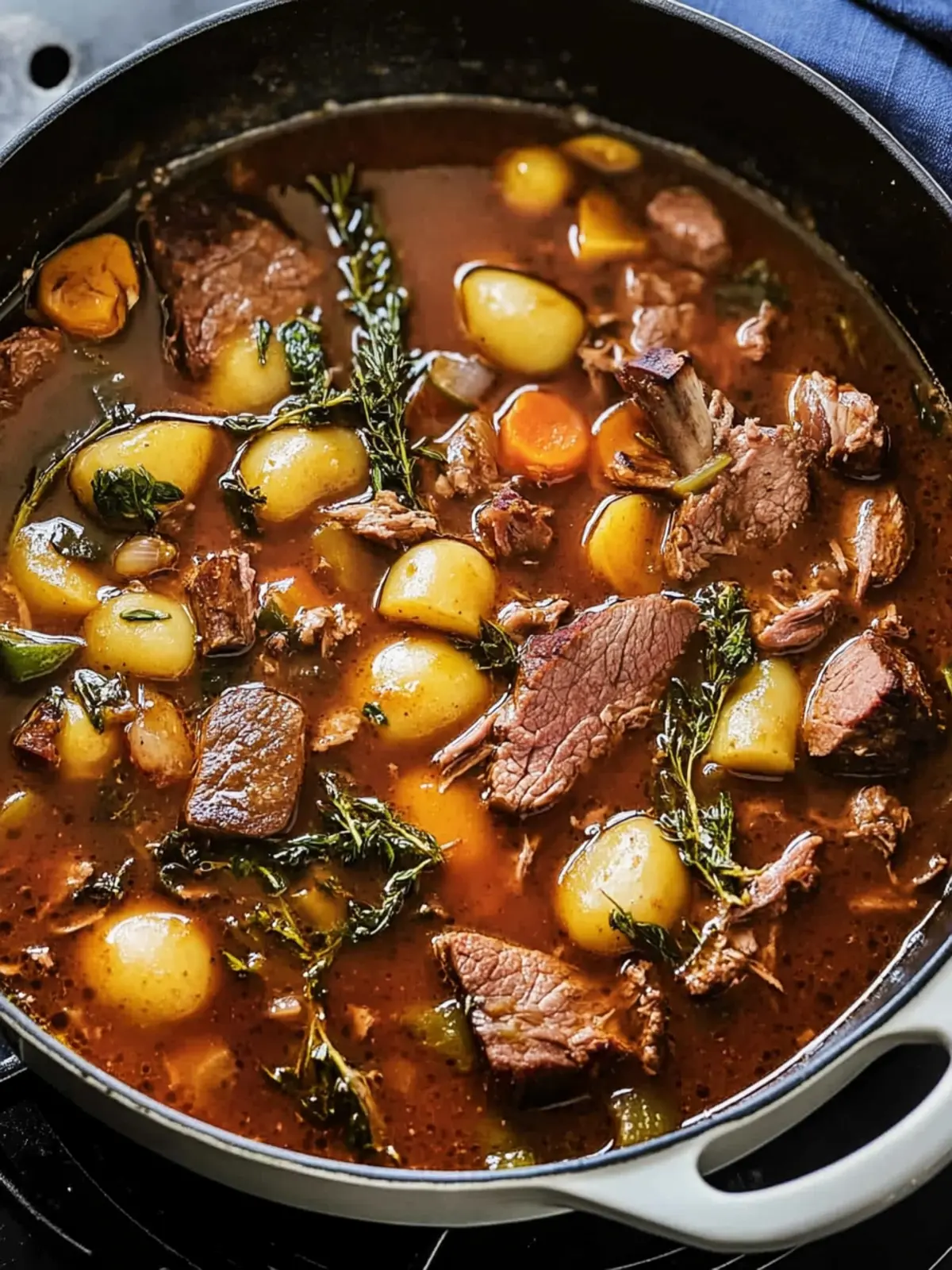
Spring Lamb Stew Recipe FAQs
What type of lamb is best for this stew?
I recommend using lamb shoulder roast, as it becomes tender and flavorful through the simmering process. You can also use leg of lamb or beef, although that will alter the stew’s flavor.
How should I store leftovers of the spring lamb stew?
Allow the stew to cool completely, then transfer it to an airtight container. Refrigerate for up to 4 days. For optimal tenderness when reheating, warm it on the stove over medium heat, stirring occasionally.
Can I freeze spring lamb stew?
Absolutely! You can freeze your lamb stew for up to 3 months. Use a freezer-safe container, leaving some space for expansion, then thaw it in the refrigerator overnight before reheating.
What should I do if my stew is too thick?
If you find your stew is thicker than desired, simply add a bit of beef or vegetable broth while reheating, stirring until you reach your preferred consistency. You can also add water, but be mindful of the flavor dilution!
Are there any dietary considerations for this lamb stew?
This recipe is flexible! If you need to avoid certain items, you can omit the celery and substitute Worcestershire sauce with tamari for a gluten-free option. Always adjust your spices for personal preferences or dietary restrictions.
How can I tell if my ingredients are fresh enough?
When selecting vegetables, look for ones that are firm and vibrant. Avoid eggplant or potatoes with dark spots or signs of sprouting, as they indicate overripeness. Fresh herbs should be bright and fragrant, enhancing your dish beautifully.
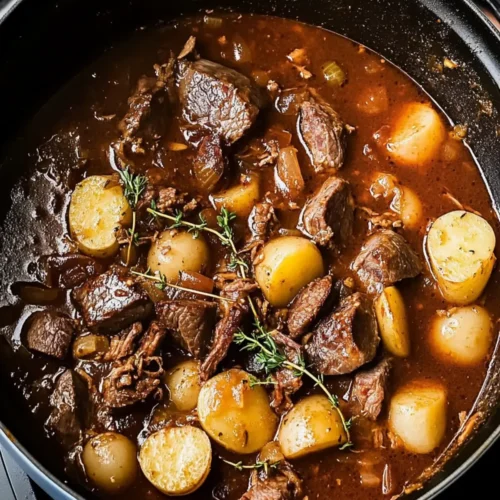
Hearty Spring Lamb Stew Recipe for Cozy Family Dinners
Equipment
- large heavy-bottomed pot
Ingredients
For the Stew Base
- 2 tablespoons vegetable oil olive oil can offer a fresh twist
- 2 pounds lamb shoulder roast cubed into 1" pieces
- 1 medium onion yellow onions preferred
- 3 medium carrots or parsnips for variation
- 2 stalks celery can be omitted if needed
- 1 teaspoon kosher salt adjust as desired
- 1 teaspoon freshly ground black pepper modify heat levels as preferred
- 3 cloves garlic or powdered garlic in a pinch
- 2 tablespoons tomato paste crushed tomatoes can be an alternative
- 1 teaspoon ground cumin or coriander for a different taste
- 1 teaspoon smoked paprika regular paprika is a milder substitute
- 4 cups low-sodium beef broth chicken or vegetable broth can also be used
- 1 cup red wine for a non-alcoholic version, use additional broth
- 2 tablespoons Worcestershire sauce tamari can substitute for gluten-free
For the Herbs and Seasoning
- 2 sprigs fresh rosemary thyme can be used as an alternative
- 2 leaves bay leaves discard before serving
For the Heartiness
- 1 pound baby potatoes regular or sweet potatoes can work
- 1 tablespoon cornstarch optional, for thickening
- 1 cup cold water optional, for mixing with cornstarch
- 2 tablespoons freshly chopped parsley for garnish
Instructions
How to Make Spring Lamb Stew
- Heat a splash of vegetable oil in a large pot over medium-high heat. Add the cubed lamb shoulder, browning it on all sides for about 5-7 minutes until nicely caramelized, then set aside.
- In the same pot, toss in diced onion, carrots, and celery. Season with kosher salt and freshly ground black pepper, sautéing for about 5 minutes until softened and aromatic.
- Stir in minced garlic, tomato paste, ground cumin, and smoked paprika. Allow these ingredients to cook together for another 2 minutes, ensuring the spices become fragrant.
- Return the seared lamb to the pot. Pour in the low-sodium beef broth, red wine, and Worcestershire sauce. Add fresh rosemary and bay leaves, then bring to a boil. Reduce to a simmer and cook for 30 minutes.
- Carefully add the halved baby potatoes to the pot, cover, and continue to simmer for another 30 minutes, or until the lamb and potatoes are tender and flavorful.
- If you prefer a thicker stew, mix cornstarch with cold water to create a slurry and stir it into the simmering stew. Let it boil for a minute or two until it thickens. Remove bay leaves and rosemary before serving.
- Sprinkle with freshly chopped parsley for a burst of color and freshness.