
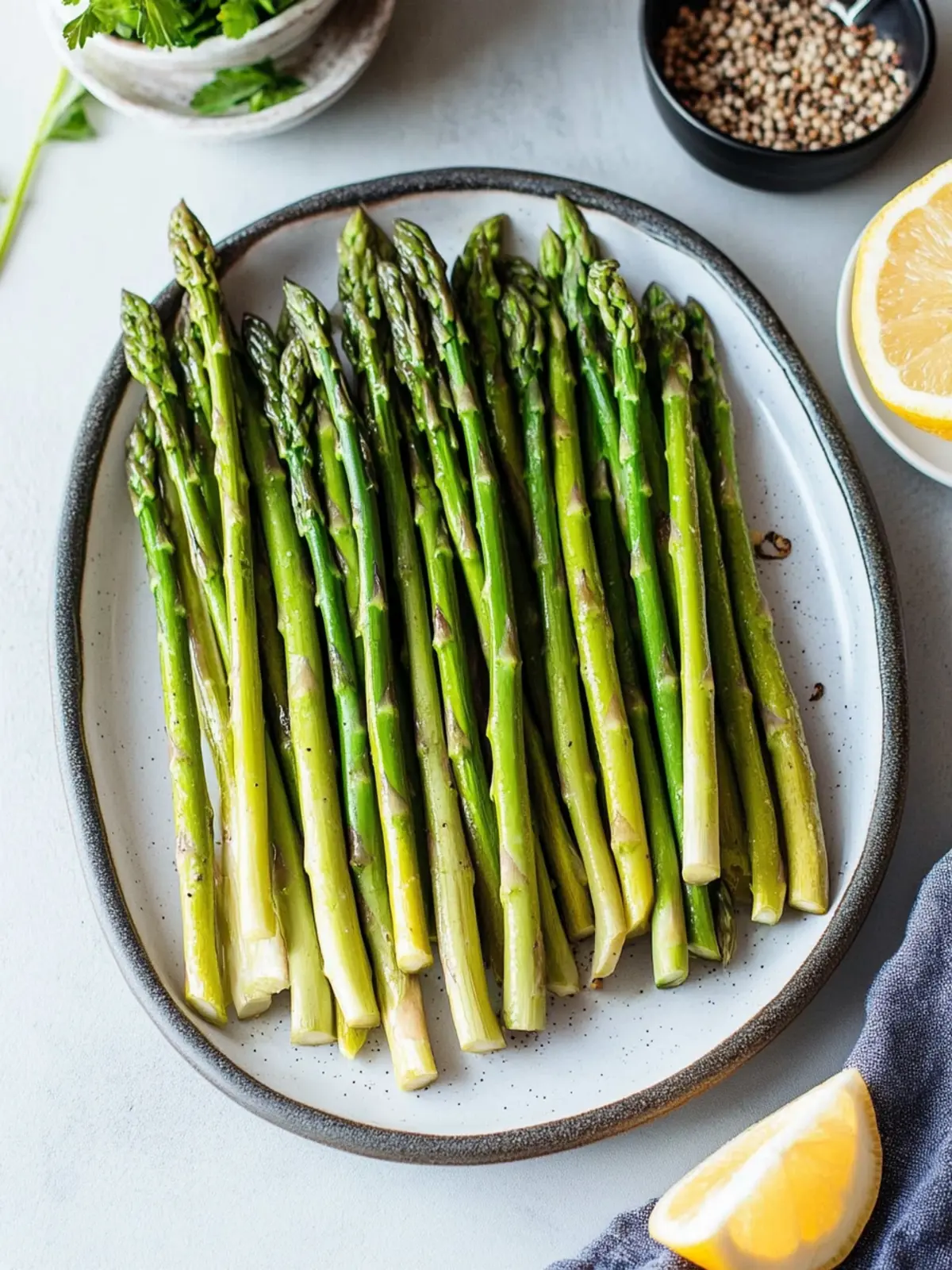
There’s something undeniably invigorating about the arrival of spring when vibrant asparagus starts to pop up at local markets. Just the sight of those crisp, green spears brings a joyful anticipation of fresh flavors and lighter meals. One afternoon, while soaking up the sun, I found myself craving something not just healthy, but also bursting with life. That’s when I decided to explore three delightful ways to cook asparagus: roasted, grilled, and blanched.
Each method offers a unique twist on this versatile vegetable. The rich, caramelized notes from roasting, the authentic char of grilling, and the bright freshness of blanching make asparagus truly special. These simple yet impressive techniques are not only quick to whip up, but they’ll also make your taste buds dance with delight. Whether you’re serving it as a side or tossing it into salads and pastas, mastering these recipes will transform your home-cooked meals from mundane to memorable. Let’s dive in and elevate this spring vegetable to its fullest potential!
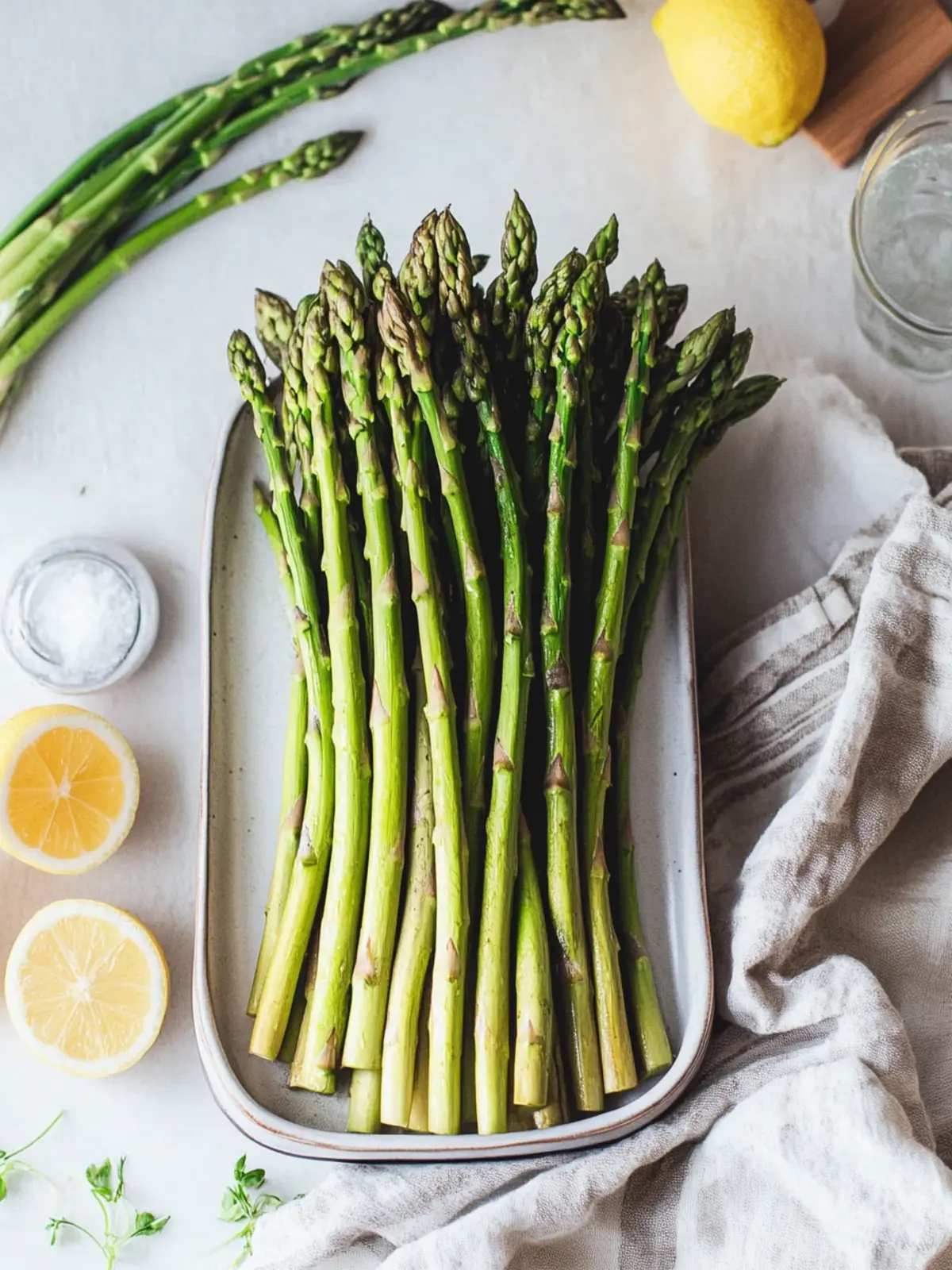
Why are asparagus recipes so loved?
Versatile and Fun: Whether you want to roast, grill, or blanch, asparagus recipes keep your dinner exciting and fresh!
Health Benefits: Packed with vitamins and low in calories, asparagus adds nutrition without compromising flavor.
Quick to Prepare: These methods are easy and perfect for busy weeknights or spontaneous gatherings.
Crowd-Pleaser: Impress friends and family with vibrant, tasty asparagus that pairs beautifully with various dishes!
Endless Possibilities: Experiment by swapping asparagus with other veggies or adding unique spices to customize your dish.
Delicious Asparagus Recipes
For the Roasted Asparagus
- Asparagus – Trim woody ends to ensure a tender bite and maximize flavor.
- Extra-virgin olive oil – This rich oil helps the seasonings cling to the asparagus.
- Sea salt – Enhances the natural flavor; feel free to use kosher salt for a coarser crunch.
- Freshly ground black pepper – Adds warmth and complexity; adjust to your taste.
- Lemon wedges – Brightens the dish with acidity; for a more vibrant flavor, use fresh lemon juice.
For the Grilled Asparagus
- Asparagus – The star of the dish; keep it fresh and vibrant!
- Extra-virgin olive oil – Use this to add richness and prevent sticking on the grill.
- Sea salt – A must for boosting flavor; increase for a more robust taste.
- Freshly ground black pepper – Adds zest; don’t be shy with this seasoning!
- Lemon wedges – Grilled lemon halves enhance the final flavor profile; squeeze over the top for extra brightness.
For the Blanched Asparagus
- Asparagus – Ensures a bright green color and fresh flavor when cooked correctly.
- Salted water – Season the boiling water for an added flavor punch during cooking.
- Ice water – Stops the cooking process quickly, preserving beautiful green color and crisp texture.
These delicious asparagus recipes will elevate your meals this spring. Enjoy experimenting with each method, and let your culinary creativity shine!
How to Make Asparagus
Preheat the oven to 425°F. Line a baking sheet with parchment paper to ensure easy cleanup later. This will set the stage for perfectly roasted asparagus.
Toss asparagus with extra-virgin olive oil, sea salt, and freshly ground black pepper in a large bowl. Coat each spear evenly for a flavor boost that will delight your taste buds.
Spread the seasoned asparagus on the prepared baking sheet in a single layer. This helps promote even cooking, so they roast nicely without steaming.
Roast in the oven for about 12 minutes, or until lightly crisp and tender. Keep an eye on them; you want that perfect golden brown without overcooking!
Squeeze fresh lemon juice over the roasted asparagus before serving to add a zesty brightness. This touch enhances the natural flavors beautifully.
For the Grilled Asparagus:
Preheat your grill to medium heat. Toss the asparagus with olive oil, salt, and pepper as you did for roasting, preparing it for that smoky flavor.
Grill the asparagus for 6 to 8 minutes, turning halfway to ensure even char and cooking. Look for beautiful grill marks and a tender texture.
Serve with squeezed lemon on top. This adds an extra layer of flavor that ties everything together harmoniously!
For the Blanched Asparagus:
Boil salted water in a large pot and prepare a bowl with ice water next to it. The ice bath is essential for locking in that vibrant green color!
Chop the asparagus into 1-inch pieces, then cook in the boiling water for about 1 minute, or until they’re bright green and tender. Quick cooking preserves their nutrients and color.
Transfer the blanched asparagus to the ice water immediately to stop the cooking process. This step ensures they remain crisp and fresh!
Drain the cooled asparagus and use it in salads or as a refreshing side dish. Enjoy the crunch and flavor burst that this method provides!
Optional: Add a sprinkle of Parmesan cheese for an indulgent touch!
Exact quantities are listed in the recipe card below.
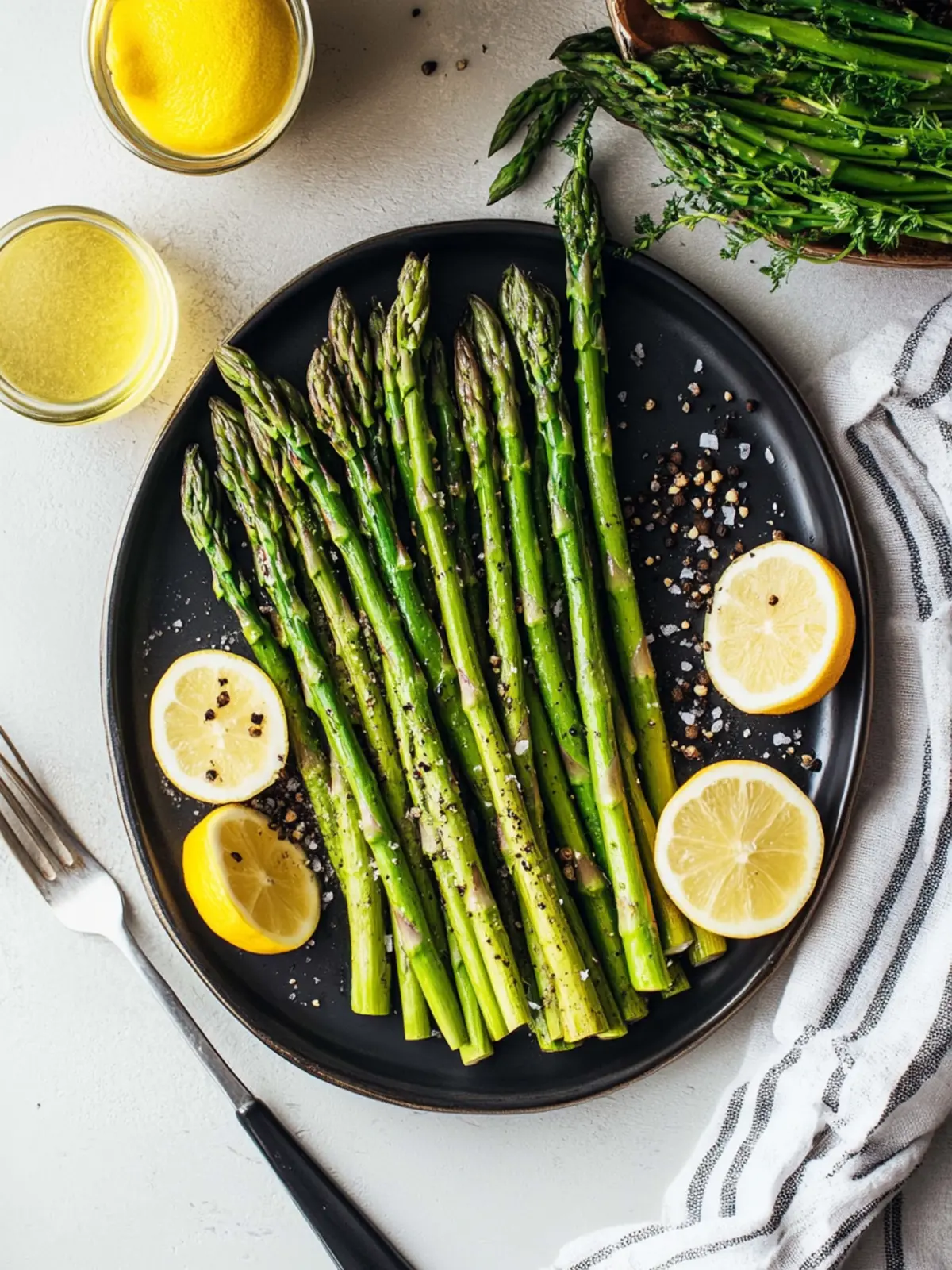
Storage Tips for Asparagus Recipes
- Room Temperature: Fresh asparagus should be kept at room temperature for no more than a few hours. Store upright in a jar with water to keep it crisp until ready to prepare.
- Fridge: Store leftover cooked asparagus in an airtight container in the fridge for up to 3 days. It’s best enjoyed fresh for optimal flavor and texture.
- Freezer: For longer storage, freeze blanched asparagus in a sealed freezer bag for up to 3 months. Blanching first helps preserve color and nutrients.
- Reheating: Reheat roasted or grilled asparagus in the oven at 350°F for about 5-7 minutes. This method will help restore crispiness while retaining flavor.
Expert Tips for Cooking Asparagus
- Trim Wisely: Always trim woody ends of asparagus; it improves texture and flavor. A knife or kitchen scissors work well for this task.
- Oil Amount: Don’t skimp on olive oil when roasting; it helps achieve that crispy texture and prevents dryness in your asparagus recipes.
- Season Generously: Adequate seasoning with salt and pepper enhances the natural flavor, especially for grilled asparagus. Adjust according to personal preference for best results.
- Stay Crisp: For blanching, monitor the cooking time closely—overcooked asparagus loses its vibrant color and crisp texture. Aim for 1 minute in boiling water.
- Experiment: Feel free to mix in spices, such as garlic or cayenne, to elevate your asparagus recipes and add a personal touch to your dishes.
Asparagus Recipes Variations & Substitutions
Feel free to get creative and customize your asparagus experience with these delightful twists!
Broccoli Swap: Replace asparagus with equally tender broccoli for a different texture and flavor profile that still brings vibrancy to your meal.
Balsamic Drizzle: Use a balsamic reduction instead of olive oil to give your asparagus a sweet and tangy flavor boost that pairs beautifully with spring dishes.
Spice it Up: Add garlic powder or red pepper flakes to elevate the flavor, making every bite bursting with zest and heat.
Citrus Burst: Instead of lemon, try squeezing fresh orange juice over your veggies for a sweet, citrusy twist that brightens the dish in a wholly different way.
Cheese Finish: Toss freshly grated Parmesan or feta cheese over your asparagus post-cooking for a creamy, savory finish that adds richness and depth.
Herb Infusion: Infuse a touch of fresh herbs like rosemary or thyme in your olive oil before cooking for an aromatic layer of flavor that will make your dish unforgettable.
Nutty Crunch: Top your cooked asparagus with crushed walnuts or almonds to add a delightful crunch and a nutty flavor that contrasts beautifully with the tender spears.
Sweet and Spicy: Combine honey with chili flakes for a unique glaze that will caramelize while roasting, adding a touch of sweetness and warmth to your asparagus.
What to Serve with Three Perfect Ways to Cook Asparagus?
Elevate your meal by pairings that complement the fresh flavors and vibrant colors of this delightful spring vegetable.
Grilled Chicken: Juicy and flavorful, grilled chicken adds protein that harmonizes beautifully with the tender asparagus.
Quinoa Salad: This nutty, fluffy grain provides a wholesome base, while fresh herbs and veggies brighten the dish alongside asparagus.
Lemon Risotto: Creamy and zesty, lemon risotto offers a rich backdrop, enhancing the citrus notes of the asparagus perfectly.
Garlic Shrimp: Tender shrimp sautéed in garlic make for a delightful contrast, bringing savory and bright flavors that dance on your palate together.
Hummus and Pita: Serve a zesty hummus as a dip, allowing you to enjoy the asparagus as a fun finger food, perfect for gatherings.
Roasted Potatoes: Crispy, herb-seasoned potatoes provide a comforting heartiness, balancing the freshness of the cooked asparagus wonderfully.
Sparkling Water with Lime: Refreshing and light, this drink complements the meal without overshadowing the delicate flavors of the asparagus.
Chocolate Mousse: End your meal with a rich, velvety dessert that contrasts excellently with the crispness and texture of asparagus.
Make Ahead Options
These asparagus recipes are ideal for meal prep, saving you time on busy weeknights! You can trim and wash the asparagus up to 24 hours in advance, storing it in a zip-top bag or airtight container in the refrigerator to keep it fresh. For the roasted asparagus, feel free to season it with olive oil, salt, and pepper a few hours ahead of cooking. When you’re ready to serve, simply roast it in the oven as directed for perfectly crispy results. If you opt for the blanched method, you can pre-blanch the asparagus up to 3 days ahead, then store it in an airtight container in the fridge. Just give it a quick toss in a pan or add it to your salads for a vibrant, crunchy addition!
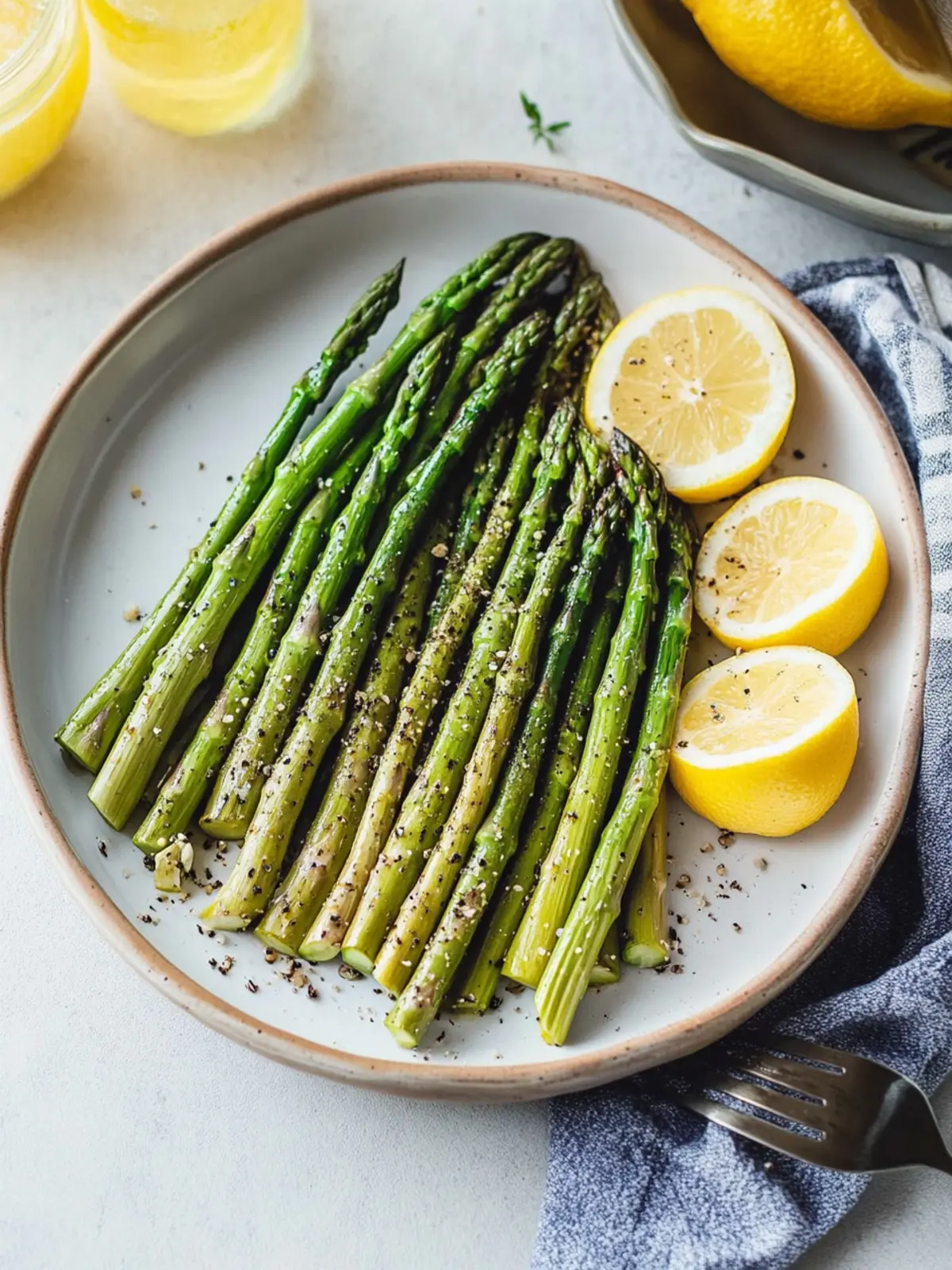
Delicious Asparagus Recipes: Recipe FAQs
How do I select the best asparagus?
Absolutely! Look for firm, bright green asparagus with compact tips, as this indicates freshness. Avoid spears that are limp, have woody stems, or display dark spots all over, which may indicate aging or spoilage. If you have a choice, choose the thinner spears, as they’re typically more tender and flavorful.
How should I store leftover cooked asparagus?
Very simple! Store your cooked asparagus in an airtight container in the fridge, where it will stay fresh for up to 3 days. To maintain the best flavor and texture, try to enjoy it as soon as possible after cooking. If you plan to keep it longer, consider freezing as explained below.
Can I freeze asparagus?
You absolutely can! To freeze, first blanch the asparagus by cooking it in boiling water for about 1 minute until bright green. Then, quickly transfer it to a bowl of ice water to stop the cooking process. Once cooled, drain and place the asparagus in a sealed freezer bag or airtight container. It can be stored for up to 3 months. This method ensures that the asparagus retains its lovely color, texture, and nutrients!
What are common mistakes when cooking asparagus?
One of the most frequent errors is overcooking, which causes asparagus to become limp and lose its vibrant color. When blanching, aim for precisely 1 minute in boiling water for that perfect bright green look. For roasting or grilling, keep an eye on the time—about 12 minutes for roasting or 6-8 minutes on the grill will yield crispy yet tender spears.
Is asparagus safe for pets or people with allergies?
While asparagus is safe for human consumption and provides several health benefits, it’s essential to know that it can cause gastrointestinal upset in some pets, like dogs and cats, if consumed in large quantities. If you or someone in your household has allergies, always consult with a healthcare provider or professional regarding any dietary concerns before introducing new foods.
Can I prepare asparagus in advance?
Very much so! I often blanched asparagus ahead of time for salads or meal prep. After blanching and cooling, just store it in an airtight container in the refrigerator for up to 3 days. For a quick side dish, you can reheat it gently in the microwave or toss it into a hot skillet for a couple of minutes—perfect when you’re short on time!
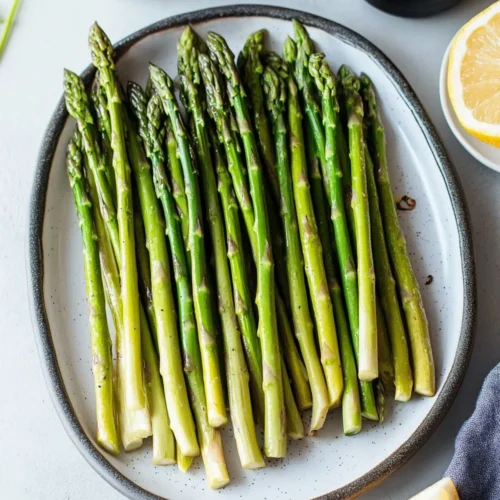
Delicious Asparagus Recipes: 3 Easy Ways to Cook It Right
Equipment
- - Oven
- - Grill
- - Pot
- - Baking sheet
- - Mixing bowl
- ice bath
Ingredients
Roasted Asparagus
- 1 bunch Asparagus Trim woody ends for tenderness.
- 2 tablespoons Extra-virgin olive oil Helps seasonings cling.
- 1 teaspoon Sea salt Enhances natural flavor.
- 1 teaspoon Freshly ground black pepper Adjust to taste.
- 1 lemon Lemon wedges For brightness.
Grilled Asparagus
- 1 bunch Asparagus Keep fresh and vibrant.
- 2 tablespoons Extra-virgin olive oil Prevents sticking.
- 1 teaspoon Sea salt Boosts flavor.
- 1 teaspoon Freshly ground black pepper Add zest.
- 1 lemon Lemon wedges Enhance final flavor.
Blanched Asparagus
- 1 bunch Asparagus Preserves bright green color.
- 1 quart Salted water For boiling.
- 1 bowl Ice water To stop cooking process.
Instructions
Roasted Asparagus
- Preheat the oven to 425°F. Line a baking sheet with parchment paper.
- Toss asparagus with extra-virgin olive oil, sea salt, and freshly ground black pepper in a large bowl.
- Spread the seasoned asparagus on the prepared baking sheet in a single layer.
- Roast in the oven for about 12 minutes, or until lightly crisp and tender.
- Squeeze fresh lemon juice over the roasted asparagus before serving.
Grilled Asparagus
- Preheat your grill to medium heat. Toss the asparagus with olive oil, salt, and pepper.
- Grill the asparagus for 6 to 8 minutes, turning halfway for even cooking.
- Serve with squeezed lemon on top.
Blanched Asparagus
- Boil salted water in a large pot and prepare a bowl with ice water.
- Chop the asparagus into 1-inch pieces, then cook in the boiling water for about 1 minute.
- Transfer the blanched asparagus to the ice water to stop the cooking process.
- Drain the cooled asparagus and use it in salads or as a side dish.