
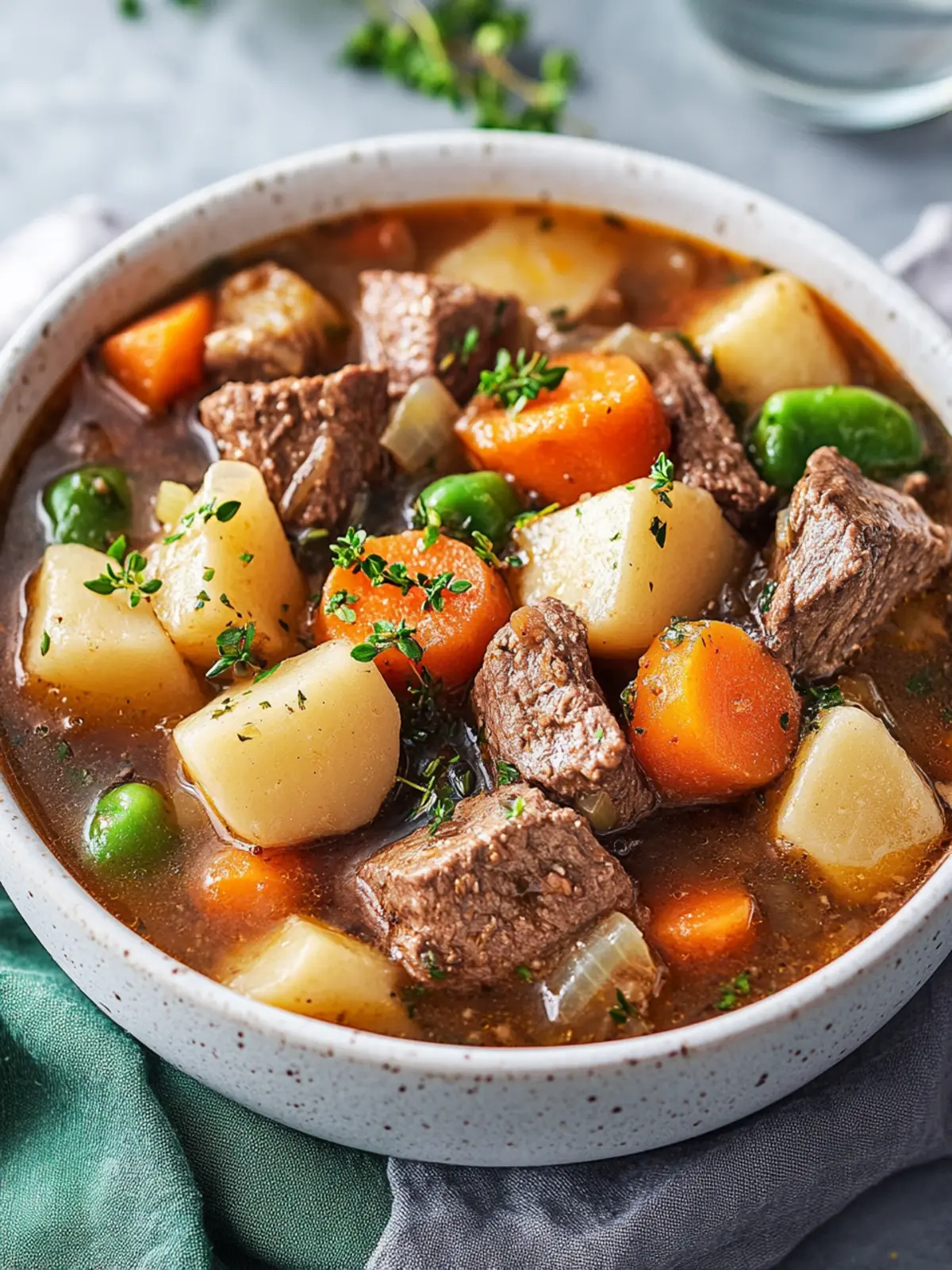
As the chilly winds of early spring roll in, my thoughts turn to a steaming pot of Irish beef stew simmering on the stove, filling my kitchen with the mouthwatering aroma of rich, savory goodness. This isn’t just any stew—it’s a hearty embrace in a bowl, where tender chunks of beef mingle with vibrant vegetables, all steeped in the deep, luscious flavor of Guinness. You may uncover countless recipes for this Irish classic, but there’s something about this traditional take that brings warmth to the heart and soul, making it a go-to for family gatherings or those cozy nights in.
I stumbled upon this ultimate comfort food while seeking solace from yet another takeout night, and it quickly became a cherished staple. Each spoonful offers a delightful blend of earthy herbs and melted goodness that transports me straight to a quaint Irish pub, basking in the revelry of good food and better company. Whether you’re preparing for a festive St. Patrick’s Day celebration or simply looking to impress loved ones with a taste of something special, this Irish beef stew promises satisfaction plate after plate. Are you ready to dive into a world of warmth and flavor? Let’s get cooking!
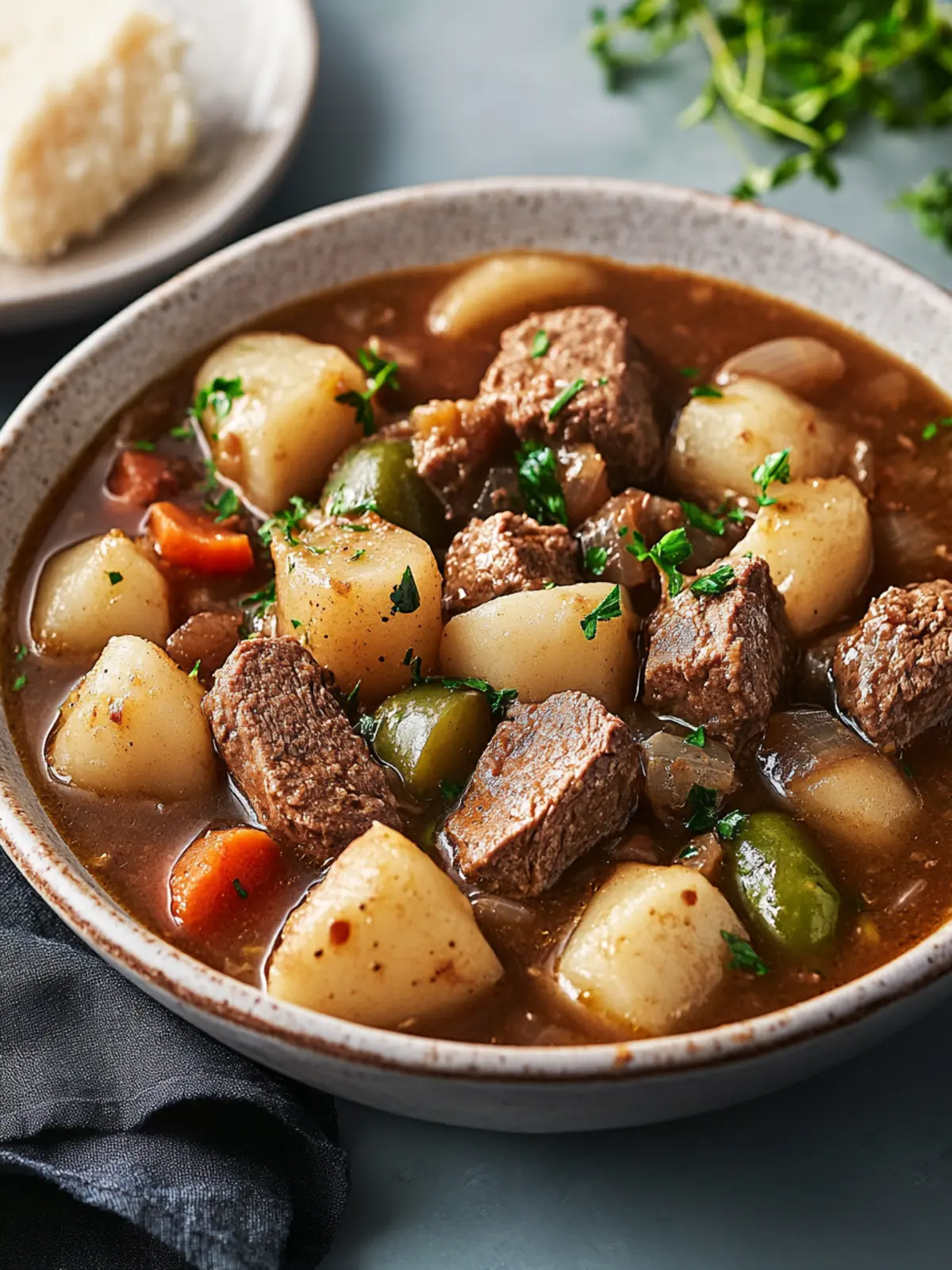
Why is Irish stew the ultimate comfort food?
Comforting warmth: Each bowl is a hug in food form, perfect for chilly evenings.
Rich, deep flavors: Simmered in Guinness, it offers a savory depth unmatched by ordinary stews.
Fresh ingredients: A medley of vibrant vegetables provides color and nutrition, creating a wholesome meal.
Easy to prepare: With simple steps and minimal prep, this dish fits effortlessly into your weeknight routine.
Perfect for any occasion: While it’s great for St. Patrick’s Day, this stew shines at family dinners or when entertaining friends. Get ready to impress with this comforting classic that’ll leave everyone asking for seconds!
Irish Stew Ingredients
• Discover the flavorful components of this classic!
For the Stew
- Extra-Virgin Olive Oil – Adds richness and aids in browning the beef; substitute with vegetable oil if needed.
- Beef Chuck Stew Meat – The heart of the dish, providing hearty texture; can be replaced with lamb for a traditional flavor profile.
- Kosher Salt – Enhances the overall flavor of the stew; sea salt makes a great alternative.
- Freshly Ground Black Pepper – Offers seasoning and depth; white pepper can be a milder substitute.
- Yellow Onion – Adds a sweet, aromatic base; shallots can work well for a gentler flavor.
- Medium Carrots – Contributes sweetness and texture; consider parsnips for a unique twist.
- Celery Ribs – Adds a crunchy freshness; leeks can be used for a subtle flavor change.
- Garlic Cloves – Infuses the stew with rich flavor; garlic powder serves as a handy alternative.
- Medium Russet Potatoes – Provides heartiness and acts as a thickener; yellow potatoes can lend a creamier texture.
- Low-Sodium Beef Broth – Forms the stew base for extra depth; homemade broth will elevate flavors.
- Guinness (11.2-oz. bottle) – Adds that quintessential Irish richness; any dark stout can be a suitable replacement.
- Fresh Thyme – Imparts earthy undertones; substitute with dried thyme, but use less as it’s more concentrated.
- Fresh Parsley (finely chopped, for serving) – Brightens the dish with freshness and color just before serving.
How to Make Irish Beef Stew
Prep the Beef: Season the beef chuck generously with kosher salt and freshly ground black pepper. In a large Dutch oven, sear the beef in batches until it’s beautifully browned, about 10 minutes total. Remove and set aside.
Sauté Aromatics: In the same pot, add the remaining olive oil and toss in the onions, carrots, and celery. Sauté for about 5 minutes, stirring occasionally, until they start to soften. Add the garlic and cook for an additional minute, until fragrant.
Build the Stew: Return the browned beef to the pot, along with all the juices. Add the potatoes, low-sodium beef broth, Guinness, and fresh thyme. Scrape the bottom of the pot to lift the flavorful browned bits.
Simmer: Bring the mixture to a gentle boil, then reduce the heat to maintain a delicate simmer. Cover and let it cook for about 30 minutes, or until the beef is tender and the potatoes are soft.
Optional: Serve with a sprinkle of fresh parsley for a delightful touch.
Exact quantities are listed in the recipe card below.
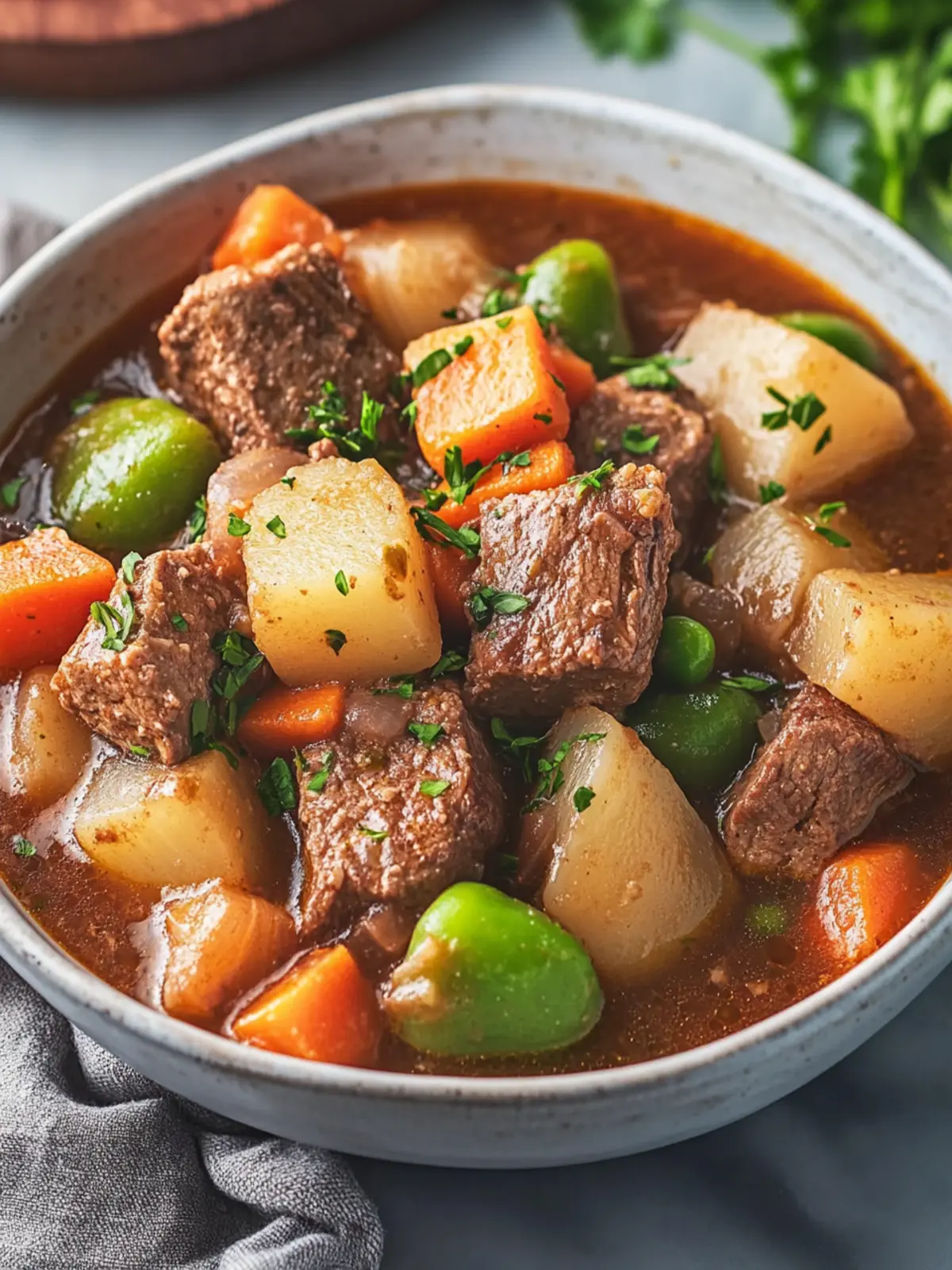
How to Store and Freeze Irish Stew
- Fridge: Store leftover Irish stew in an airtight container for up to 4 days to maintain freshness and flavor.
- Freezer: Irish stew can be frozen for up to 1 month. Just ensure it’s cooled completely before transferring to a freezer-safe container to prevent ice crystals.
- Reheating: To reheat, thaw overnight in the fridge and warm on the stove over medium heat, stirring occasionally until heated through.
- Note: Keep in mind that the texture of the potatoes may change after freezing, but the rich, savory flavor will still be delightful!
Make Ahead Options
These Irish beef stew preparations are perfect for busy home cooks looking to save time during the week! You can chop the onions, carrots, and celery up to 3 days in advance and store them in an airtight container in the refrigerator to keep them fresh. Additionally, you can season and brown the beef up to 24 hours ahead of time; simply refrigerate it in its juices until you’re ready to cook. When you’re ready to finish the stew, just sauté the prepped vegetables, add the beef along with the other ingredients, and simmer as directed. This way, you’ll enjoy a hearty, comforting meal that is just as delicious and perfect for any day!
What to Serve with Irish Beef Stew?
A steaming bowl of hearty Irish beef stew deserves delightful companions to create a truly memorable meal.
- Crusty Sourdough Bread: Perfect for soaking up every drop of that rich stew, this bread adds a delightful crunch.
- Creamy Mashed Potatoes: These buttery, smooth potatoes enhance the stew’s comforting essence, making every bite a dream come true. Pair them together for a double dose of indulgence that will warm your heart.
- Braised Cabbage: This tender, slightly sweet side is a classic Irish accompaniment, offering a lovely balance to the savory beef stew.
- Fresh Green Salad: A refreshing mix of greens with a light vinaigrette helps cut through the stew’s richness, adding bright, crisp textures.
- Garlic Bread: The aromatic, buttery infusion of garlic complements the savory notes of the stew, providing an irresistible flavor pairing.
- Irish Brown Bread: A traditional staple, this dense, nutty bread pairs famously with stew, enhancing every bite with its rustic charm.
- Stout Brownies: For dessert, treat your loved ones to decadent brownies made with stout, echoing the flavors of the stew in a sweet finish.
- Mulled Wine: This warm, spiced drink creates a cozy atmosphere and complements the dish beautifully, making your meal feel extra special.
Expert Tips for Irish Stew
- Perfectly Sear the Beef: Make sure not to overcrowd the pot. Brown each batch evenly to enhance flavor in your Irish stew.
- Simmer Gently: Let the stew simmer rather than boil; this creates tender beef and harmonizes the flavors beautifully.
- Use Fresh Herbs: Fresh thyme really elevates the dish. If you must use dried thyme, reduce the amount to avoid overwhelming your stew.
- Rest the Stew: Allow it to sit off the heat for a few minutes before serving; this lets the flavors meld even further.
- Customize Ingredients: Feel free to replace beef with lamb or mix in your favorite vegetables, ensuring your Irish stew stays personal and unique!
Irish Stew Variations & Substitutions
Ready to put your own spin on this classic? Let’s explore delicious ideas that will elevate your Irish stew experience!
- Lamb: Swap beef for tender lamb for a true Irish touch that enhances the stew’s flavor.
- Vegetarian: Use hearty mushrooms and root vegetables instead of meat for a satisfying plant-based version.
- Sweet Potatoes: Substitute russet potatoes with sweet potatoes for a hint of sweetness and vibrant color.
- Root Vegetables: Add parsnips or turnips for a different flavor twist and a wholesome texture boost.
- Spicy Kick: Toss in a pinch of red pepper flakes or diced jalapeños to introduce a warm heat that complements the richness.
- Herb Blend: Experiment with fresh rosemary or sage instead of thyme for a fragrant, aromatic twist.
- Stout Alternatives: Try other dark beers like porters or brown ales in place of Guinness for a unique depth of flavor.
- Creamy Twist: Incorporate a splash of heavy cream or coconut milk towards the end for a velvety texture that takes this stew up a notch.
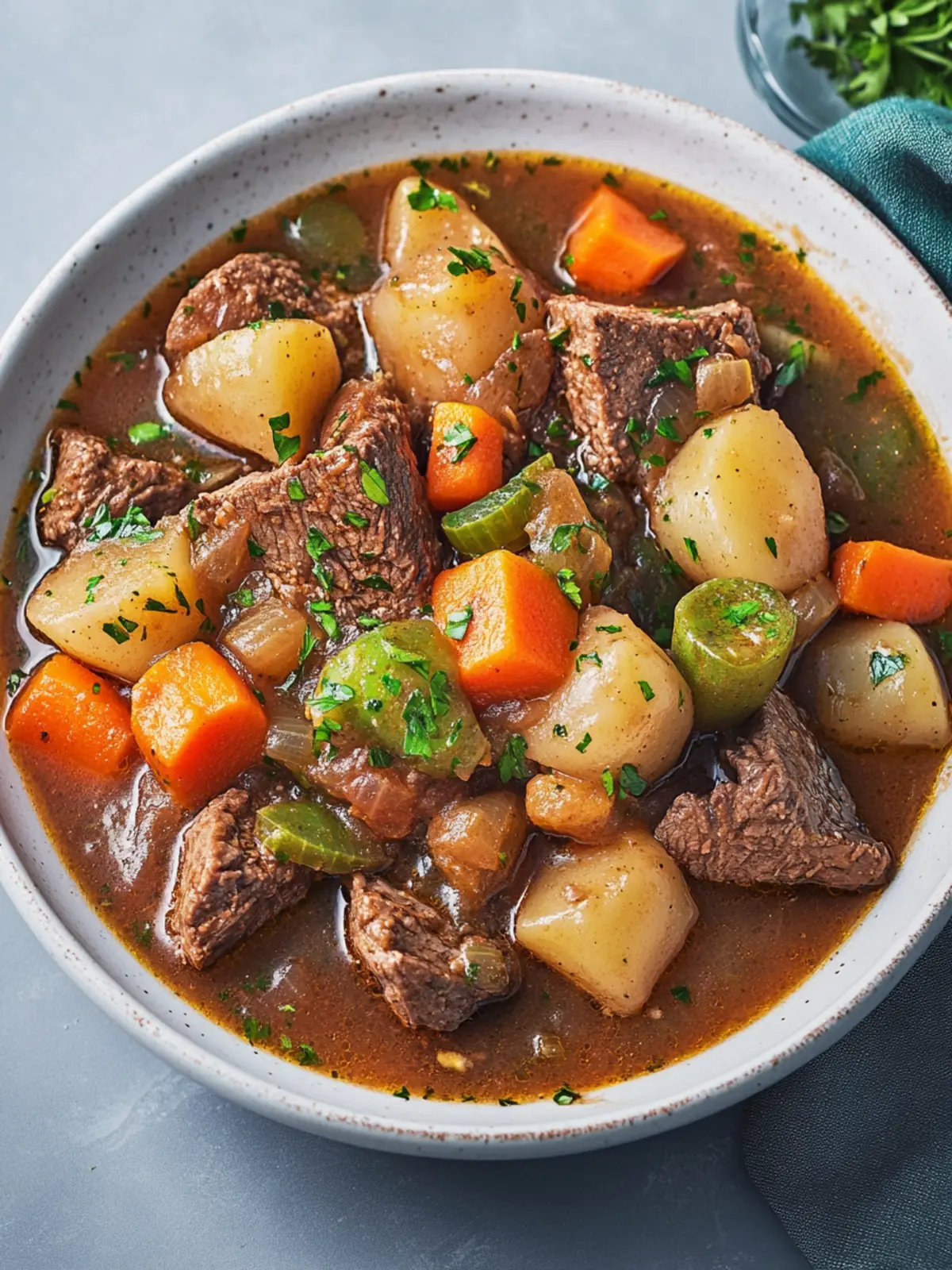
Irish Beef Stew Recipe FAQs
What kind of beef is best for Irish stew?
Absolutely! The best cut of beef for Irish stew is beef chuck, as it becomes wonderfully tender after long, slow cooking. You can opt for stew meat specifically labeled for this purpose, or even ask your butcher for recommendations to ensure the best quality. If you’re in the mood for a little variety, lamb could be an authentic and delicious option as well.
How should I store leftovers of Irish stew?
To preserve the incredible flavors of your Irish stew, let it cool completely before transferring it to an airtight container. In the refrigerator, it will stay fresh for up to 4 days. Just make sure to label the container to keep track of it!
Can I freeze Irish stew, and will it change the texture?
Yes, you can freeze Irish stew for up to 1 month! Here’s how to do it step-by-step:
- Allow the stew to cool completely after cooking.
- Portion it into freezer-safe containers, ensuring there’s some space at the top for expansion.
- Label the containers with the date and contents.
- Place them in your freezer.
Pro tip: Be aware that while the flavor remains delicious, the texture of the potatoes may soften when thawed. Just give it a good stir when reheating!
What should I do if my stew is too thick?
Very good question! If you find your Irish stew has turned out thicker than desired, don’t worry. Simply add a splash of beef broth or water while stirring, and heat gently on the stove until it reaches your preferred consistency. Adjust seasoning as needed, and remember, the more the merrier when feeding friends and family!
Are there any dietary considerations for Irish stew?
Definitely! If you’re cooking for someone with food allergies, make sure to check all ingredient labels, especially for the broth and Guinness, which may contain gluten and other allergens. For gluten-free options, you can swap the stout with a gluten-free dark beer or simply use extra stock to maintain the rich flavor. Always a good idea to customize according to your guests’ dietary needs!
How can I make a vegetarian version of Irish stew?
An excellent choice for a hearty vegetarian stew is to replace beef with robust vegetables or mushrooms, which can mimic that satisfying texture. Use vegetable broth instead of beef broth and replace the Guinness with a non-alcoholic stout or simply omit it. Adding extra beans or lentils can provide additional protein and texture, ensuring everyone enjoys a comforting bowl!
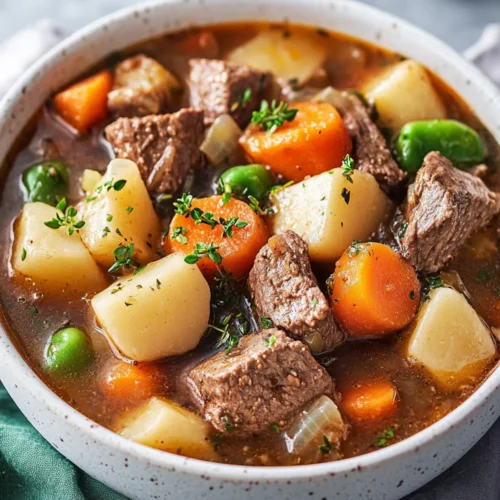
Savory Irish Stew: Your Ultimate Comfort Food Adventure
Equipment
- - Dutch oven
Ingredients
For the Stew
- 2 tablespoons Extra-Virgin Olive Oil Can substitute with vegetable oil
- 3 pounds Beef Chuck Stew Meat Can use lamb for traditional flavor
- 1 teaspoon Kosher Salt Sea salt is a great alternative
- 1/2 teaspoon Freshly Ground Black Pepper White pepper can be a milder substitute
- 1 large Yellow Onion Shallots can work for a gentler flavor
- 3 medium Carrots Parsnips can be used for a unique twist
- 2 ribs Celery Leeks can be used for a subtle flavor change
- 4 cloves Garlic Use garlic powder as an alternative
- 4 medium Russet Potatoes Yellow potatoes lend a creamier texture
- 4 cups Low-Sodium Beef Broth Homemade broth elevates flavors
- 1 bottle (11.2 oz) Guinness Any dark stout can be a suitable replacement
- 1 teaspoon Fresh Thyme Use less dried thyme as it's more concentrated
- 2 tablespoons Fresh Parsley Finely chopped for serving
Instructions
How to Make Irish Beef Stew
- Season the beef chuck generously with kosher salt and freshly ground black pepper. In a large Dutch oven, sear the beef in batches until it's beautifully browned, about 10 minutes total. Remove and set aside.
- In the same pot, add the remaining olive oil and toss in the onions, carrots, and celery. Sauté for about 5 minutes, stirring occasionally, until they start to soften. Add the garlic and cook for an additional minute, until fragrant.
- Return the browned beef to the pot, along with all the juices. Add the potatoes, low-sodium beef broth, Guinness, and fresh thyme. Scrape the bottom of the pot to lift the flavorful browned bits.
- Bring the mixture to a gentle boil, then reduce the heat to maintain a delicate simmer. Cover and let it cook for about 30 minutes, or until the beef is tender and the potatoes are soft.
- Serve with a sprinkle of fresh parsley for a delightful touch.