

There’s something truly special about creating a pizza from something you might otherwise discard. When I first ventured into sourdough baking, the idea of a Sourdough Discard Pizza Crust transformed my leftover starter into a culinary adventure. The tangy flavor and chewy texture of this crust are simply irresistible! It’s perfect for piling on bold toppings or gourmet cheeses, turning a weeknight meal into a gourmet experience.
Picture this: the unmistakable aroma of baking bread fills your kitchen, mingling with notes of melted cheese and fresh herbs. This recipe captures that magic while minimizing waste—it’s a win-win! Plus, whether you prefer a thin and crispy crust or something thicker and heartier, the versatility of this dough makes it a fantastic base for countless flavor combinations. Embrace the joy of crafting homemade pizza and elevate your dinner routine with this unique twist on a classic favorite!

Why Is Sourdough Pizza Dough So Amazing?
Transformative Experience: Making sourdough pizza dough from your starter reduces waste while breathing new life into your kitchen creations.
Irresistible Flavor: The distinctive tanginess from the unfed starter adds depth and richness that ordinary pizza crusts just can’t match.
Customization Galore: Shape it thin for a crispy delight or thicker for a chewy bite—this dough adapts perfectly to your personal preferences and favorite toppings!
Minimal Ingredients: You only need a few staples to whip this up, making it an accessible choice for both novice cooks and seasoned chefs alike.
Perfect for Family Dinners: This recipe is a crowd-pleaser, transforming pizza night into a fun and interactive family affair!
Don’t forget to explore different variations for your pizza crust with herbs or garlic to enhance the flavor even further.
Sourdough Pizza Dough Ingredients
For the Dough
- Sourdough Starter – Utilize unfed starter to maximize its tangy flavor and fermentation benefits.
- Water – Use lukewarm water to activate the yeast effectively, ensuring proper hydration of the flour.
- King Arthur Unbleached All-Purpose Flour – This forms the backbone of your crust; substituting with bread flour can give a chewier texture.
- Table Salt – Enhances the flavor and maintains control over yeast growth for an optimal rise.
- Instant Yeast (or Active Dry Yeast) – Helps the dough leaven and rise; reduce the amount for a slower fermentation if desired.
- King Arthur Pizza Dough Flavor (optional) – Adds an extra depth of taste and aroma, making your sourdough pizza dough even more enjoyable.
For Variations
- Garlic – Incorporate minced garlic or garlic powder for a flavorful twist on the crust.
- Whole Wheat Flour – Swap half of the all-purpose flour with whole wheat for a nuttier taste and added fiber.
- Fresh or Dried Herbs – Mix in herbs like oregano or basil directly into the dough for an aromatic boost.
How to Make Sourdough Pizza Dough
Prepare the Starter: Stir any liquid on your refrigerated unfed sourdough starter back into it. Measure 1 cup of the starter into a spacious mixing bowl. This is the heart of your dough!
Make the Dough: In the bowl, combine the starter with the flour, salt, yeast, and the lesser amount of lukewarm water. Mix until blended, then gradually add more water if the dough seems dry.
Knead the Dough: Transfer the mixture to a floured surface and knead it for about 7 minutes. You want a smooth dough that springs back when poked—this means it’s ready!
First Rise: Place the kneaded dough in a greased container and cover it with a kitchen towel. Let it rise until it’s almost doubled in size, which should take about 2-4 hours depending on your kitchen’s warmth.
Shape Pizzas: Divide the dough based on your desired thickness—thin or thick crust. Shape it into disks and allow them to rest for 15 minutes before flattening into greased pizza pans.
Final Rise: Let the shaped dough rise until it reaches your preferred thickness. Near the end of this rise, remember to preheat your oven to 450°F!
Bake the Crust: For a thin crust, bake it un-topped for about 5 minutes; for a thicker version, bake for about 10 minutes. After that, add your delicious toppings and bake for another 5-7 minutes, until the cheese is melted and bubbly.
Optional: Drizzle with olive oil or sprinkle with fresh herbs before serving for an extra flavor kick!
Exact quantities are listed in the recipe card below.

Make Ahead Options
These sourdough pizza dough preparations are perfect for busy home cooks looking to save time without sacrificing flavor! You can prepare the dough up to 24 hours in advance by completing steps 1 through 5, then placing the shaped disks in an airtight container or covering them tightly with plastic wrap. This ensures they stay fresh and maintain their texture. When you’re ready to bake, simply let the dough sit at room temperature for about 30 minutes before preheating your oven and proceeding with the final rise and bake. By prepping in advance, you’ll have a delicious and time-saving meal ready to go on busy weeknights!
Variations & Substitutions for Sourdough Pizza Dough
Feel free to unleash your creativity and personalize this delightful crust with these fun ideas!
- Gluten-Free: Swap all-purpose flour for a gluten-free blend to cater to dietary needs while keeping the flavor intact.
- Herb-Infused: Mix in fresh or dried herbs like rosemary or thyme directly into the dough for an aromatic lift.
- Cheesy Crust: Fold in shredded cheese, like mozzarella or parmesan, right into the dough for an extra cheesy foundation.
- Spicy Kick: Add crushed red pepper flakes or minced jalapeños to the dough for a zesty heat that complements savory toppings.
- Sweet Twist: Incorporate a tablespoon of honey or maple syrup to the dough for a subtly sweet base perfect for dessert pizzas.
- Extra Crunch: Sprinkle sesame seeds or poppy seeds on the crust before baking for a delightful crunchy texture and added flavor.
- Vegetable Boost: Finely chop and fold in caramelized onions or roasted garlic into the dough for an irresistible savory twist.
- Smoky Flavor: Mix in a dash of smoked paprika to impart a rich, smoky taste that pairs beautifully with grilled toppings.
Each variation encourages a new baking adventure, making pizza night an exciting culinary journey!
Expert Tips for Sourdough Pizza Dough
- Starter Choice: Use an unfed sourdough starter for maximum tanginess; a well-fed starter will result in a milder flavor and quicker rise.
- Proper Hydration: Adjust your water quantity carefully to avoid a dry dough; it should still be slightly tacky but not sticky to achieve the best crust.
- Knead Well: Kneading is essential for developing gluten, which gives sourdough pizza dough its chewiness; be patient and knead for the full seven minutes.
- Cooling Time: Allow the shaped dough to rest appropriately; skipping this step can lead to tough crusts that won’t hold shape easily.
- Watch the Bake Time: Keep a close eye while baking; every oven is different, and a few extra minutes can mean the difference between perfect and burnt!
- Experiment with Toppings: Don’t shy away from bold toppings; their flavors can elevate your pizza experience, just ensure they balance nicely with the crust.
Storage Tips for Sourdough Pizza Dough
Fridge: Store any leftover sourdough pizza dough wrapped tightly in plastic wrap or in an airtight container for up to 5 days. This keeps it fresh while maintaining its flavors.
Freezer: Freeze the dough by wrapping it tightly in plastic wrap followed by aluminum foil to prevent freezer burn. It can last up to 3 months—simply thaw in the fridge before use.
Reheating: If you’ve pre-baked the crust, reheat leftover pizza at 375°F for about 10-15 minutes until warmed through and crispy. Enjoy your delicious sourdough goodness!
Room Temperature: Let your dough rest at room temperature for about 30 minutes before use if it has been refrigerated. This helps relax the gluten for easier shaping.
What to Serve with Sourdough Discard Pizza Crust?
Crafting the perfect pizza experience goes beyond just the crust—let’s elevate your meal with delightful pairings!
Garden Salad: A refreshing blend of greens and vibrant veggies balances the richness of cheesy pizza. Tossed with a light vinaigrette, it’s a crisp counterpart.
Marinara Dipping Sauce: Enhance every bite with a warm marinara sauce, perfect for dipping crust edges. It adds a comforting tomato flavor that never fails.
Roasted Vegetables: Seasoned vegetables like bell peppers, zucchini, and mushrooms, roasted to perfection, offer a smoky depth that complements the crust beautifully.
Herbed Olive Oil: A drizzle of herbed olive oil for dipping not only enhances flavor but also adds an aromatic touch that feels indulgent.
Wine Pairing: A glass of red wine, like Chianti, brings out the hearty flavors of the pizza while providing a lush backdrop for your dining experience.
Garlic Knots: For something extra, serve soft, buttery garlic knots as an appetizer. Their cheesy, garlicky goodness makes the perfect opening act.
Seasonal Fruit Salad: A light, sweet fruit salad featuring seasonal fruits adds a refreshing contrast to the savory pizza, perfect for ending your meal on a bright note.
Chocolate Mousse: For dessert, a rich chocolate mousse offers a smooth sweetness that beautifully contrasts the tanginess of the pizza crust, culminating in a delightful meal.
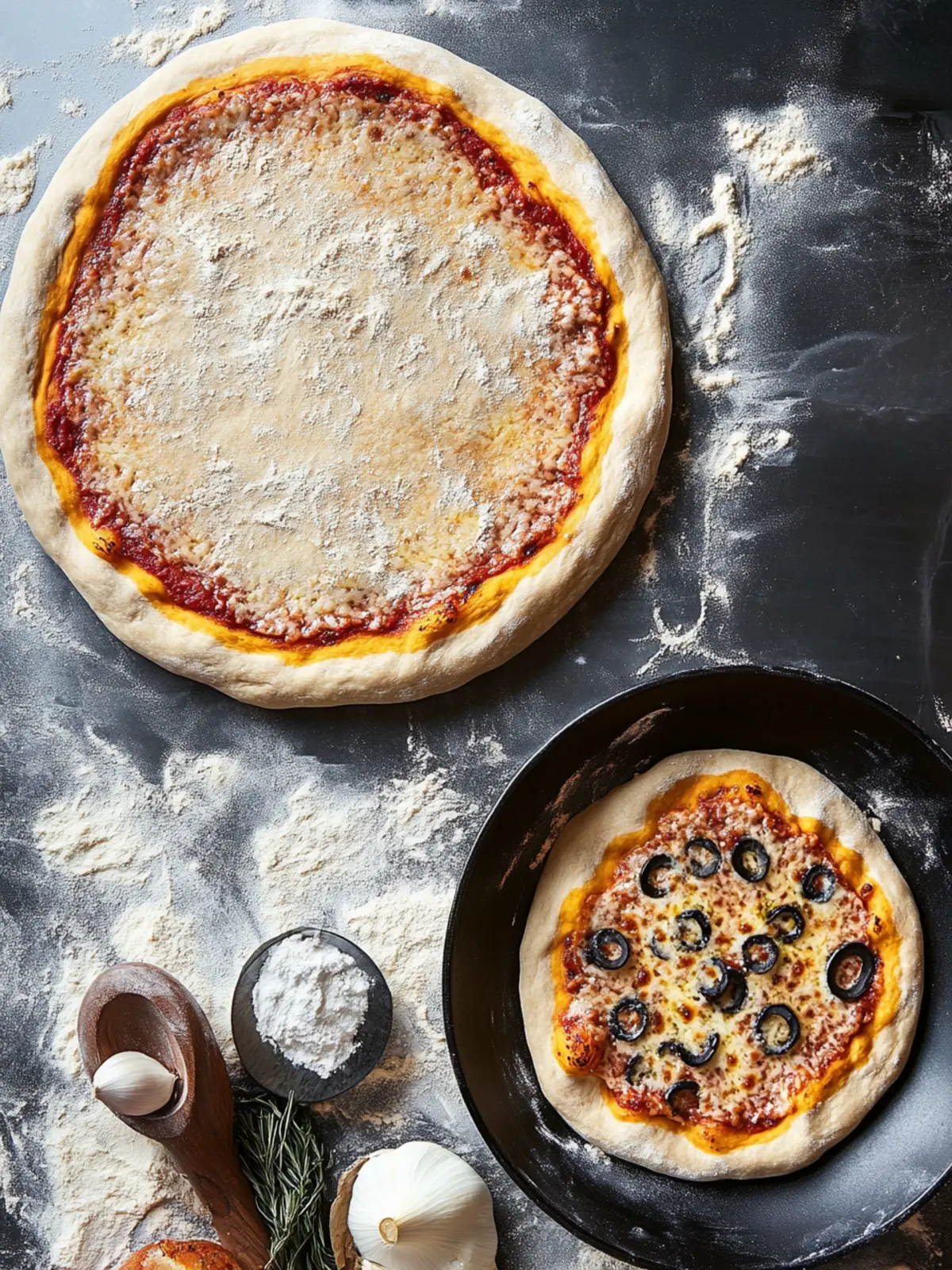
Sourdough Discard Pizza Crust Recipe FAQs
What type of sourdough starter should I use?
Absolutely! For this recipe, you should use an unfed sourdough starter. An unfed starter adds a delightful tang to your pizza crust, enhancing its flavor. If you’re using a well-fed starter, it will produce a milder crust that rises faster; however, the unique tang may be less pronounced.
How do I store any leftover pizza dough?
I often make extra dough just in case! To store leftover sourdough pizza dough, wrap it tightly in plastic wrap or keep it in an airtight container. It will stay fresh in the refrigerator for up to 5 days. If you have more dough than you need, it can be frozen for up to 3 months. Just be sure to wrap it well to prevent freezer burn!
Can I freeze the baked pizza crust?
Very! Freezing your baked pizza crust is a great option. To do this, allow the crust to cool completely after baking, then wrap it tightly in plastic wrap followed by aluminum foil. This will prevent freezer burn and keep the crust fresh. When you’re ready to enjoy it, simply thaw in the fridge, and reheat in the oven at 375°F for about 10-15 minutes until it’s warm and crispy.
What common issues should I be aware of while making sourdough pizza dough?
It’s essential to keep an eye on the hydration level! A dry dough can lead to a tough crust, while a too-wet dough may be difficult to shape. If your dough comes out dry, gradually add a little more lukewarm water while kneading, until you achieve a tacky but manageable consistency. Also, ensure to follow recommended resting times for the dough, as this allows the gluten to relax, making it easier to shape.
Is this pizza crust suitable for gluten-free diets?
While the base recipe uses all-purpose flour, you can easily adapt it for gluten-free diets by substituting with your favorite gluten-free flour blend. Be sure to follow the packaging instructions for hydration, as gluten-free flour may require adjustments for optimal dough consistency. Just remember, the texture may differ slightly from traditional sourdough pizza dough, but it can still be delicious!

Sourdough Pizza Dough: The Ultimate Flavorful Home Crust
Equipment
- - Mixing bowl
- Floured Surface
- Greased pizza pans
- - Oven
Ingredients
For the Dough
- 1 cup Sourdough Starter Utilize unfed starter to maximize tangy flavor
- 1 cup Water Use lukewarm water for best results
- 2 cups King Arthur Unbleached All-Purpose Flour Substituting with bread flour can give a chewier texture
- 1 teaspoon Table Salt Enhances flavor and controls yeast growth
- 1 teaspoon Instant Yeast Can substitute with active dry yeast
- 1 tablespoon King Arthur Pizza Dough Flavor Optional for extra depth of flavor
For Variations
- 1 clove Garlic Incorporate minced or powdered for extra flavor
- 1 cup Whole Wheat Flour Use to replace half of the all-purpose flour for added fiber
- Fresh or Dried Herbs Mix in herbs like oregano or basil
Instructions
Preparation Steps
- Stir any liquid on your refrigerated unfed sourdough starter back into it. Measure 1 cup of the starter into a spacious mixing bowl.
- Combine the starter with the flour, salt, yeast, and the lesser amount of lukewarm water. Mix until blended, then gradually add more water if the dough seems dry.
- Transfer the mixture to a floured surface and knead it for about 7 minutes until a smooth dough forms.
- Place the kneaded dough in a greased container and cover it with a kitchen towel. Let it rise until it's almost doubled in size, which should take about 2-4 hours.
- Divide the dough based on your desired thickness, shape it into disks, and allow them to rest for 15 minutes.
- Let the shaped dough rise until it reaches your preferred thickness, while preheating your oven to 450°F.
- Bake the crust for about 5 minutes for thin crust, or 10 minutes for thicker versions, then add toppings and bake for an additional 5-7 minutes.